
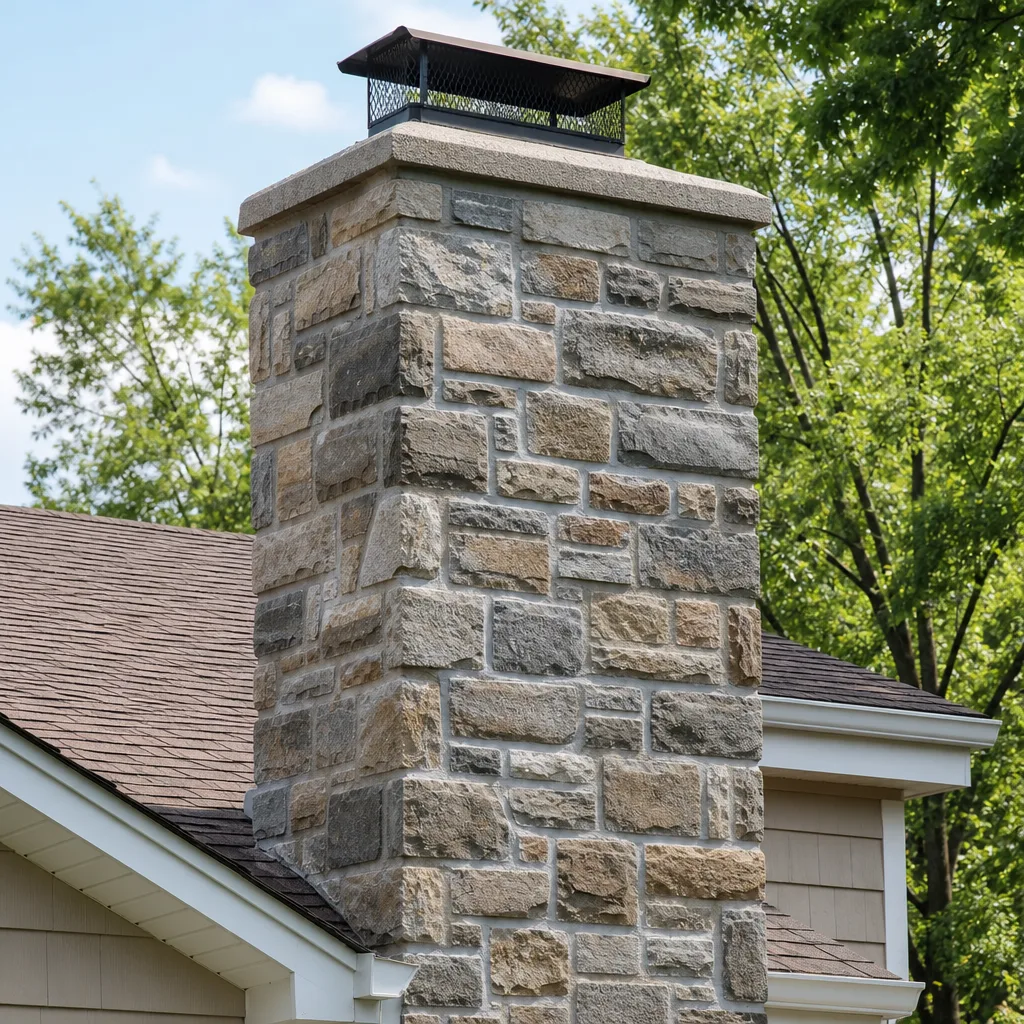
 Masonry repair
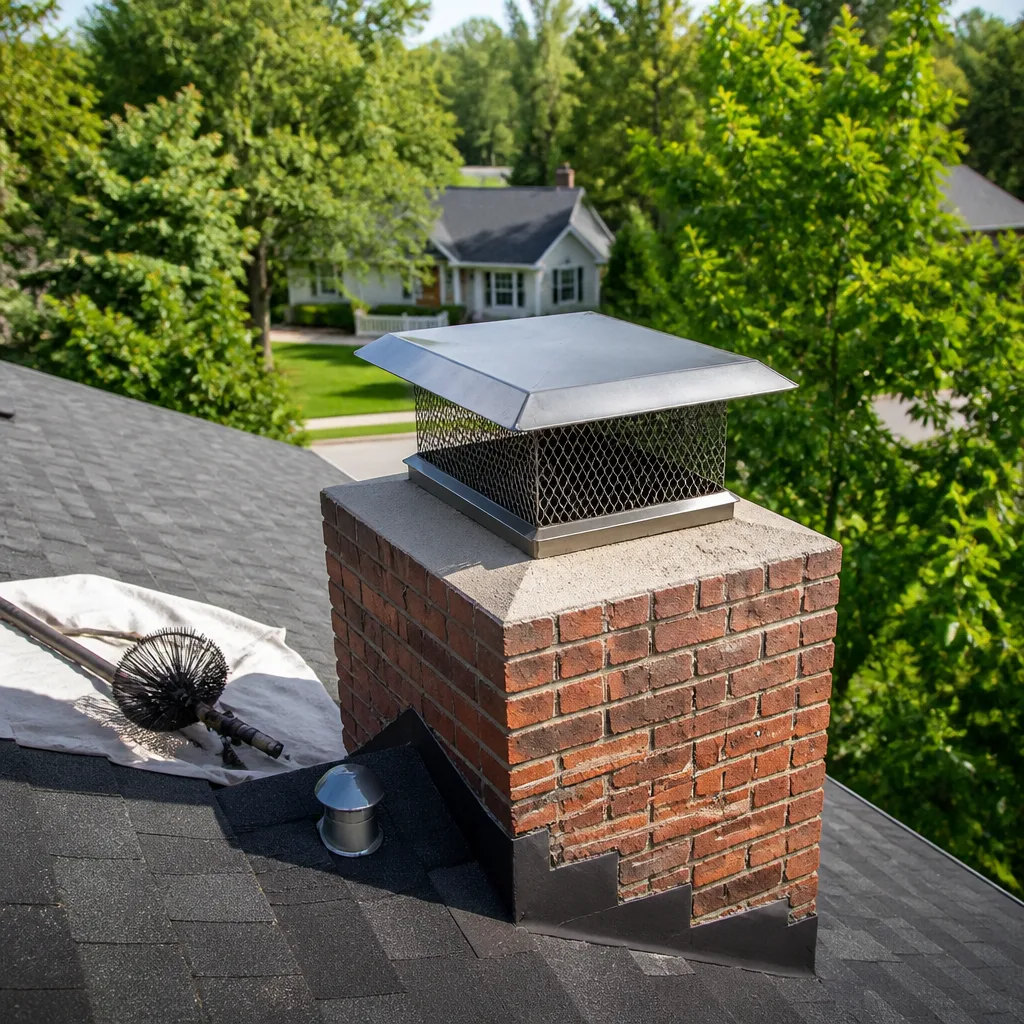 Sweep & inspection
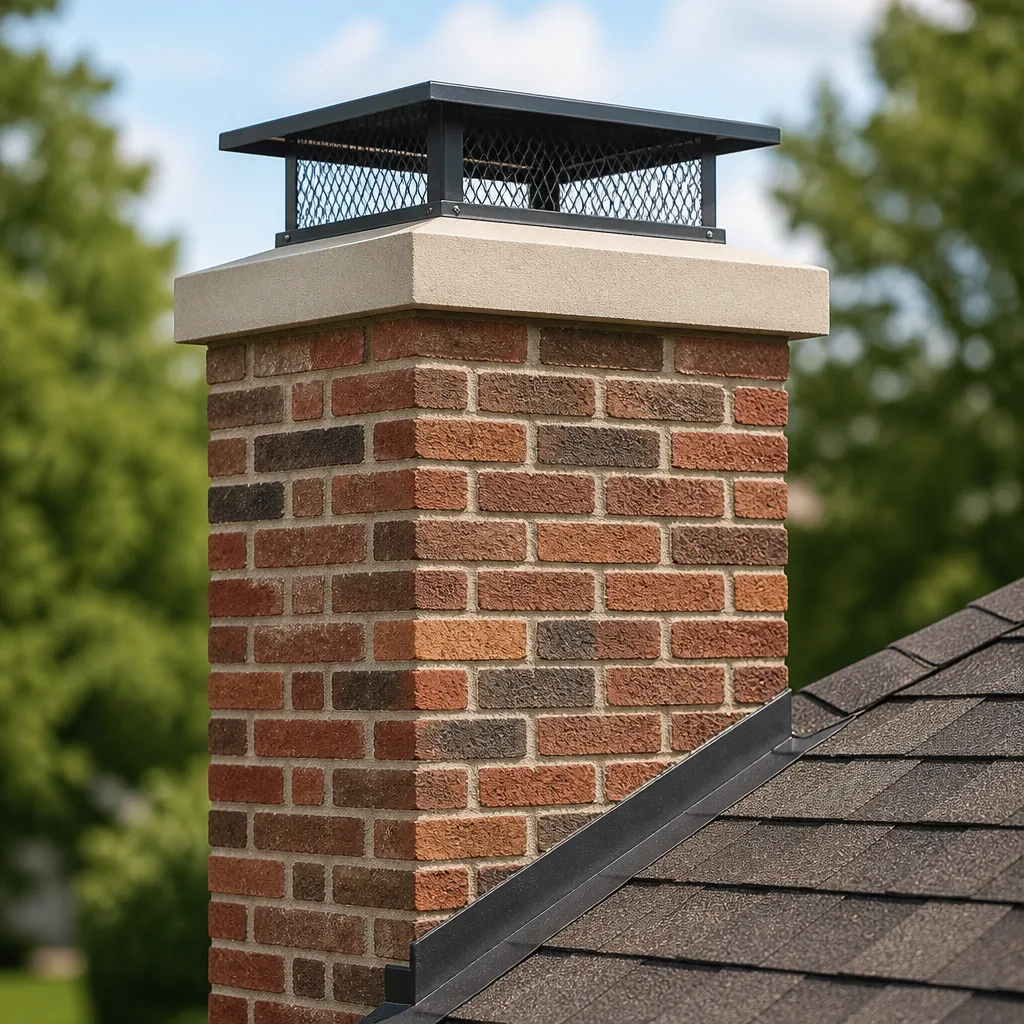 Caps & crowns
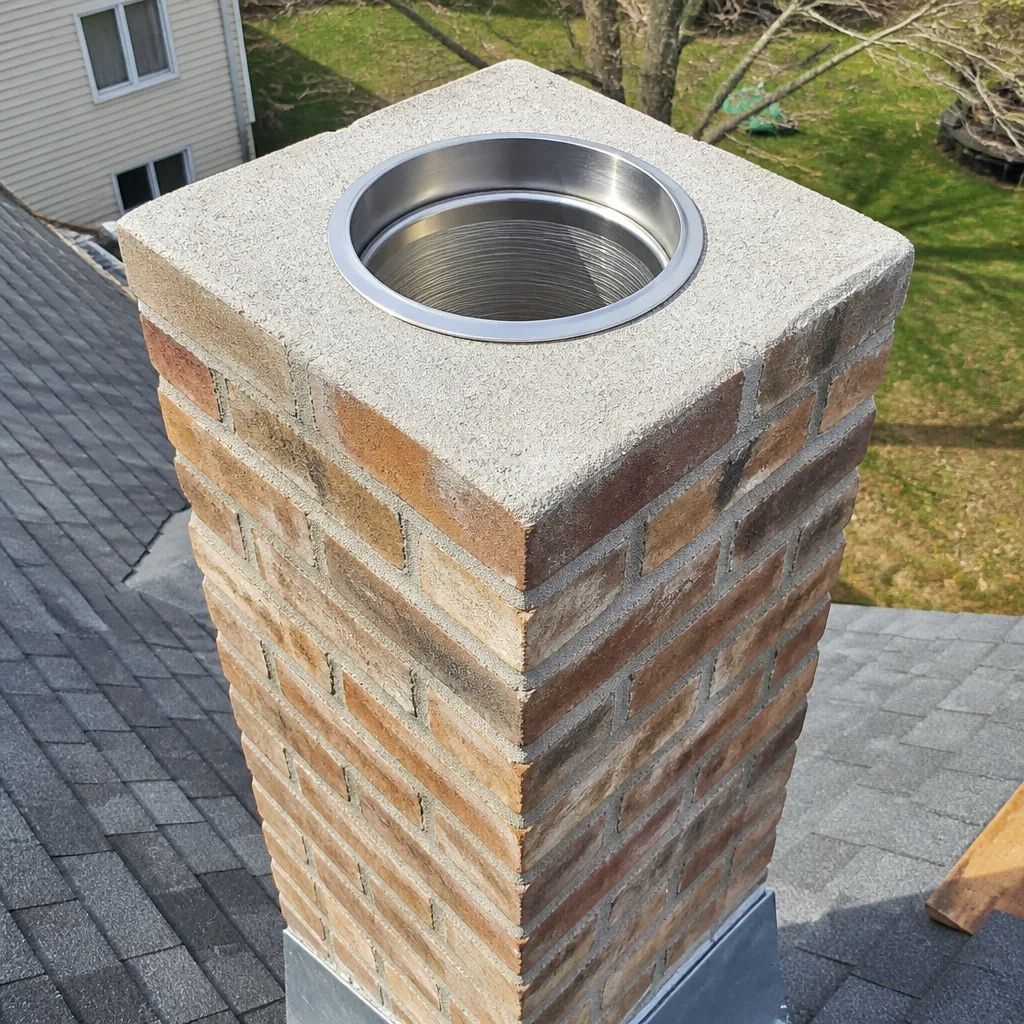 Flue relining
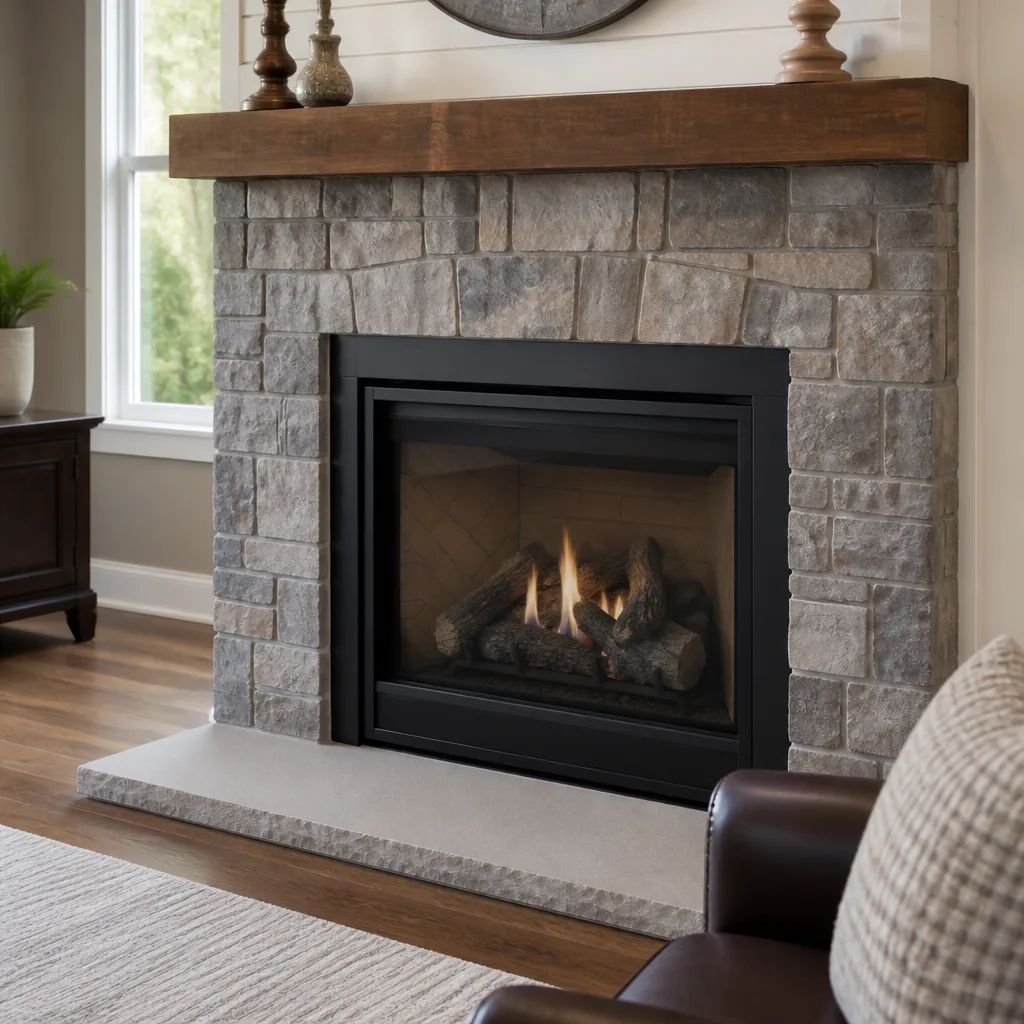 Gas fireplace service
Level 1 sweep and inspection to the NFPA 211 annual standard - flue, crown, cap, and flashing checked and photographed
Chimney sweep logs do not sweep chimneys. They loosen some creosote - which then falls where a brush and vacuum still have to collect it.
HeatShield Damper Repair: The Atlanta Owner’s Guide
HeatShield damper repair in Atlanta typically runs $340 – $690 installed, depending on whether we’re replacing the damper plate assembly, the cable mechanism, or the full frame. We stock HeatShield-compatible damper components on our trucks, so most Atlanta jobs are done in a single visit. The way most homeowners discover the problem: they reach for the damper handle on a chilly evening, and instead of smooth resistance, they get a clunk, a rattle, or nothing at all. Sometimes the plate itself wobbles loose and drops partway into the flue opening, letting conditioned air pour up the chimney.
We’re Ashby Chimney Atlanta, and we’ve been repairing these systems in Atlanta homes since 2002. HeatShield makes good dampers, but Atlanta’s humidity and the thermal cycling from our hot summers and sudden cold snaps take a toll. We’ll walk you through exactly what fails, what it costs, and how to know if you actually need a replacement or just a part swap.
Which HeatShield Models This Applies To
HeatShield’s damper systems fall into two general families: their top-sealing damper (mounted at the flue crown) and their throat damper kits (mounted in the firebox opening, typically paired with a HeatShield refractory panel or liner system). The top-sealing units use a cable and pulley mechanism with a spring-loaded lid, while the throat dampers use a pivot bar and steel plate sized to the firebox dimensions.
Here’s the compatibility gotcha that trips up a lot of Atlanta homeowners: your damper plate size is matched to your specific firebox opening width, not to a generic chimney size. A throat damper for a 30-inch firebox will not seat correctly in a 36-inch opening, even if both are “HeatShield” dampers. Take a tape measure across the firebox opening at its widest point before calling anyone. That one measurement tells us whether we’re doing a same-day swap or ordering a custom-width plate.
On the OEM-versus-aftermarket question: HeatShield plates and cables are quality components, and for most repairs we recommend staying with HeatShield. There are generic aftermarket pivot bars and handles that will technically fit, but we’ve seen the weld points on cheap aftermarket pivots fail inside two Atlanta heating seasons. The savings is usually $30 – $60. It’s not worth it. If we’re replacing a cable on a top-sealing damper, the cable gauge matters more than the brand name: HeatShield uses a 3/32-inch stainless cable with a crimped stop; thinner cables stretch and bind inside the pulley channel.
One more Atlanta-specific note: we also stock damper parts compatible with DuraFlex and Gelco systems, and we keep a reference chart of cross-compatible plates for older fireplaces. If your exact HeatShield model was discontinued, there’s usually a current-production equivalent we can verify with measurements before we touch anything.
Styles & brands we work with
Signs Your HeatShield Damper Is Failing
You’ll usually notice one of these before any inspection does:
- The handle moves but nothing happens. This is almost always a snapped cable or a pivot pin that has worked free from the damper plate. The handle feels connected, but the plate isn’t responding. In Atlanta, we see this most often in homes where the fireplace gets used heavily from November through February.
- The damper plate is stuck open or stuck shut. Creosote buildup and rust are the usual culprits. Atlanta’s humid summers let surface rust form on the pivot points, and the first time you try to close the damper in the fall, the plate seizes. If it’s stuck open, you’re paying to air-condition your chimney in July.
- You hear a metallic rattle when it’s windy outside. That’s a damper plate or the cable hardware vibrating in the flue. It usually means the stop pins have worn or the plate has warped slightly from heat exposure. It will get worse, not better.
- Draft issues you didn’t have before. A damper that won’t seal properly lets heated indoor air escape up the flue. If your living room suddenly feels colder, or you smell fireplace odors in the off-season, the damper seal is a prime suspect.
- Visible rust or pitting on the plate edge. You’ll see it when you shine a light up into the firebox. Rusted plates eventually get thin enough to warp, and a warped plate will not seat flush even with a working mechanism. If you see rust, schedule a repair before the plate fails mid-burn.
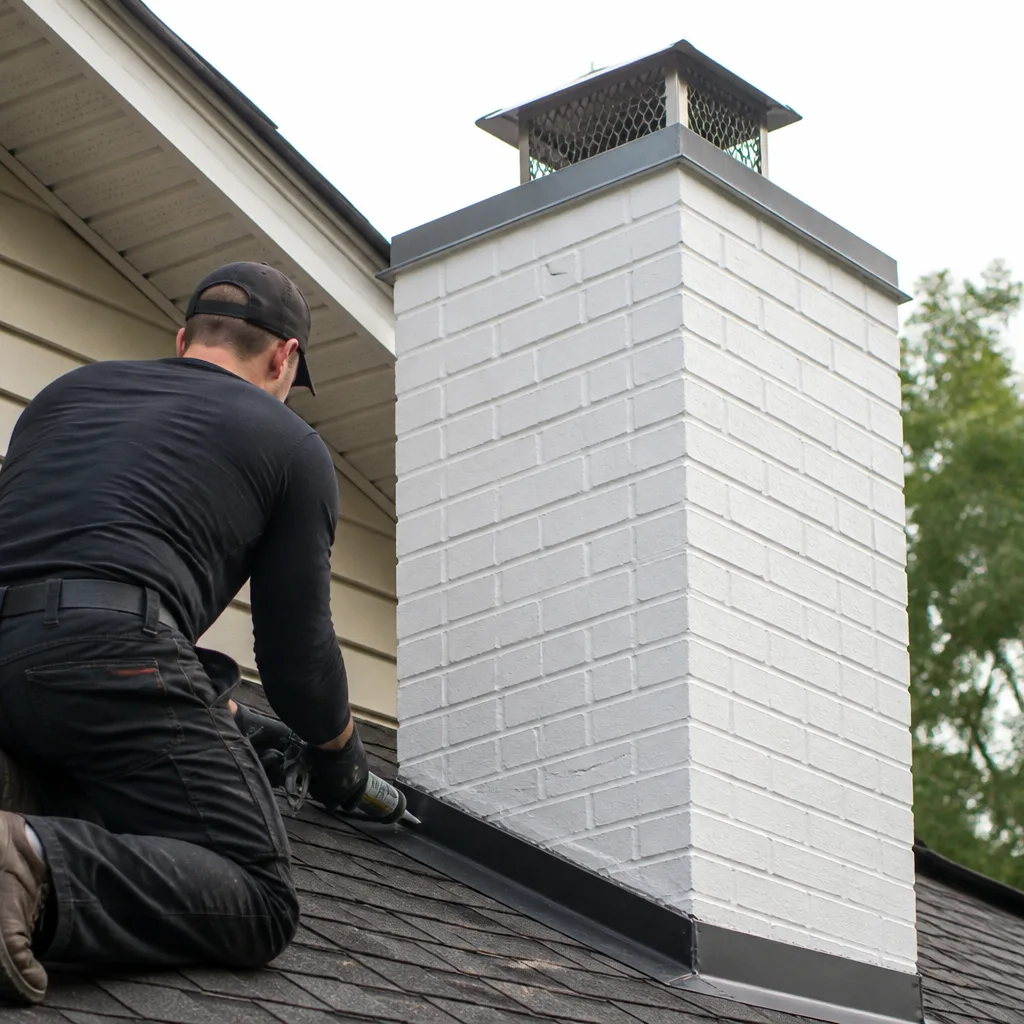
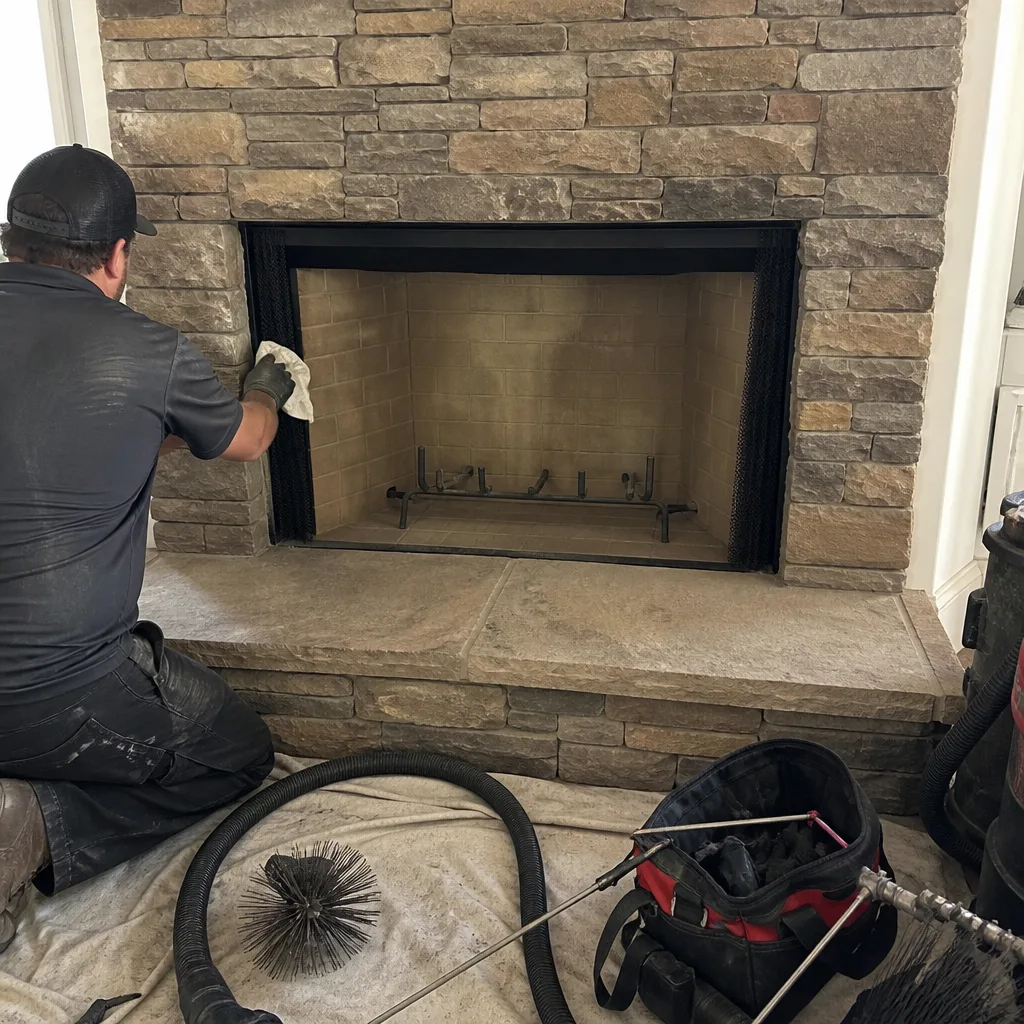
See the difference
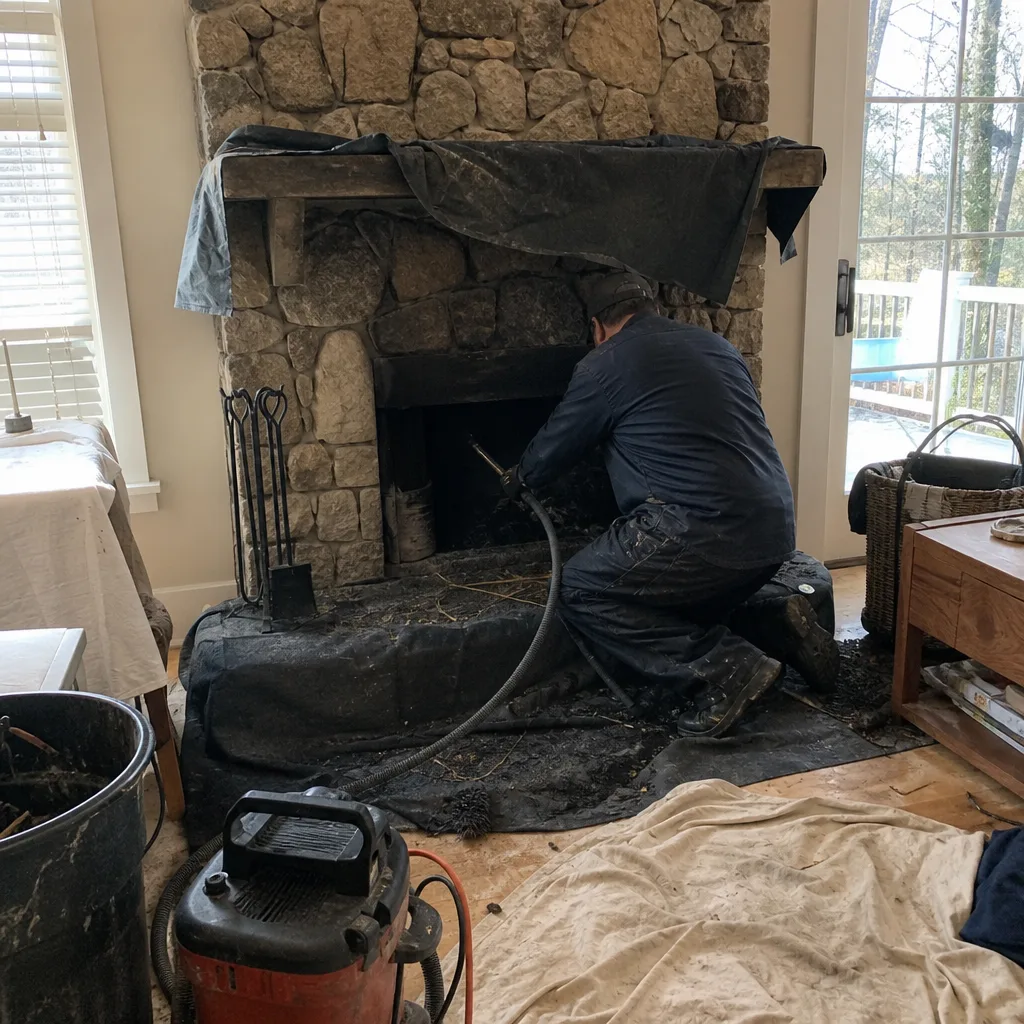 Before
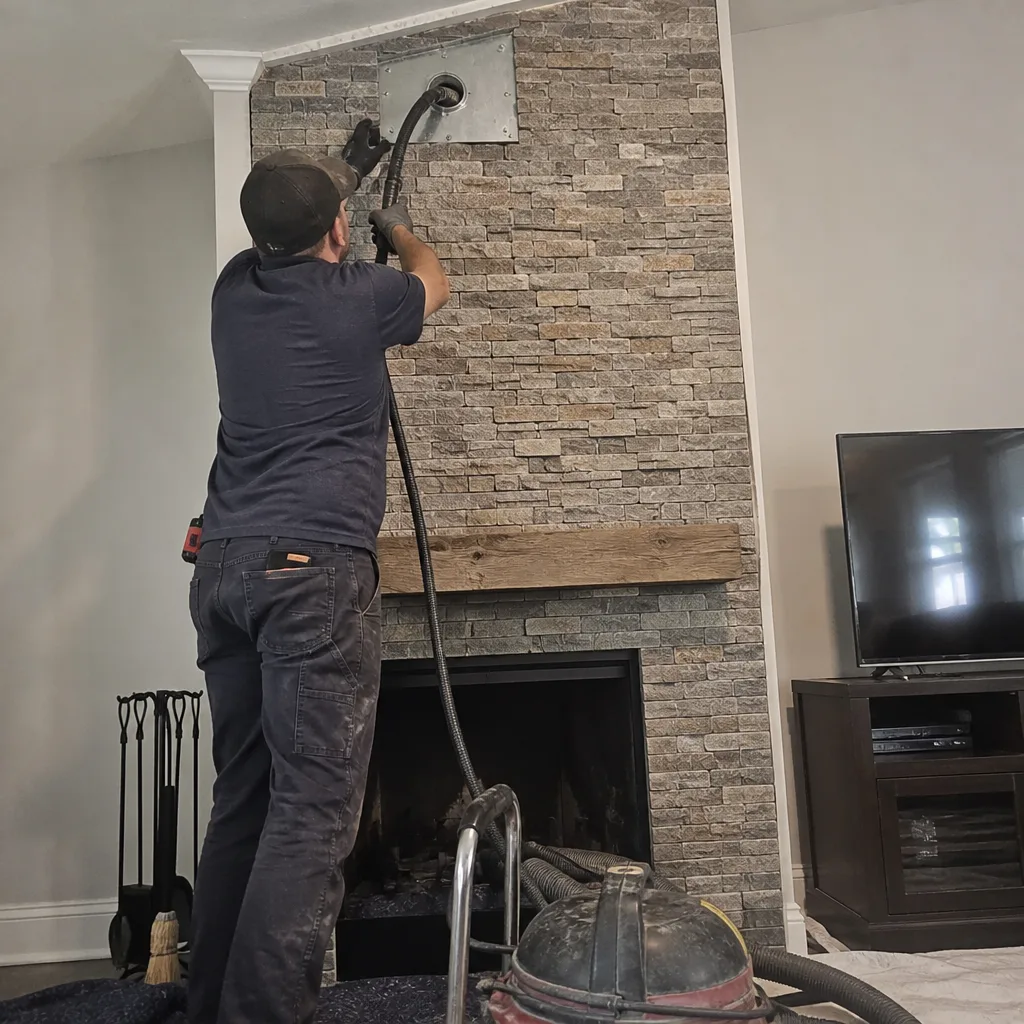 After
After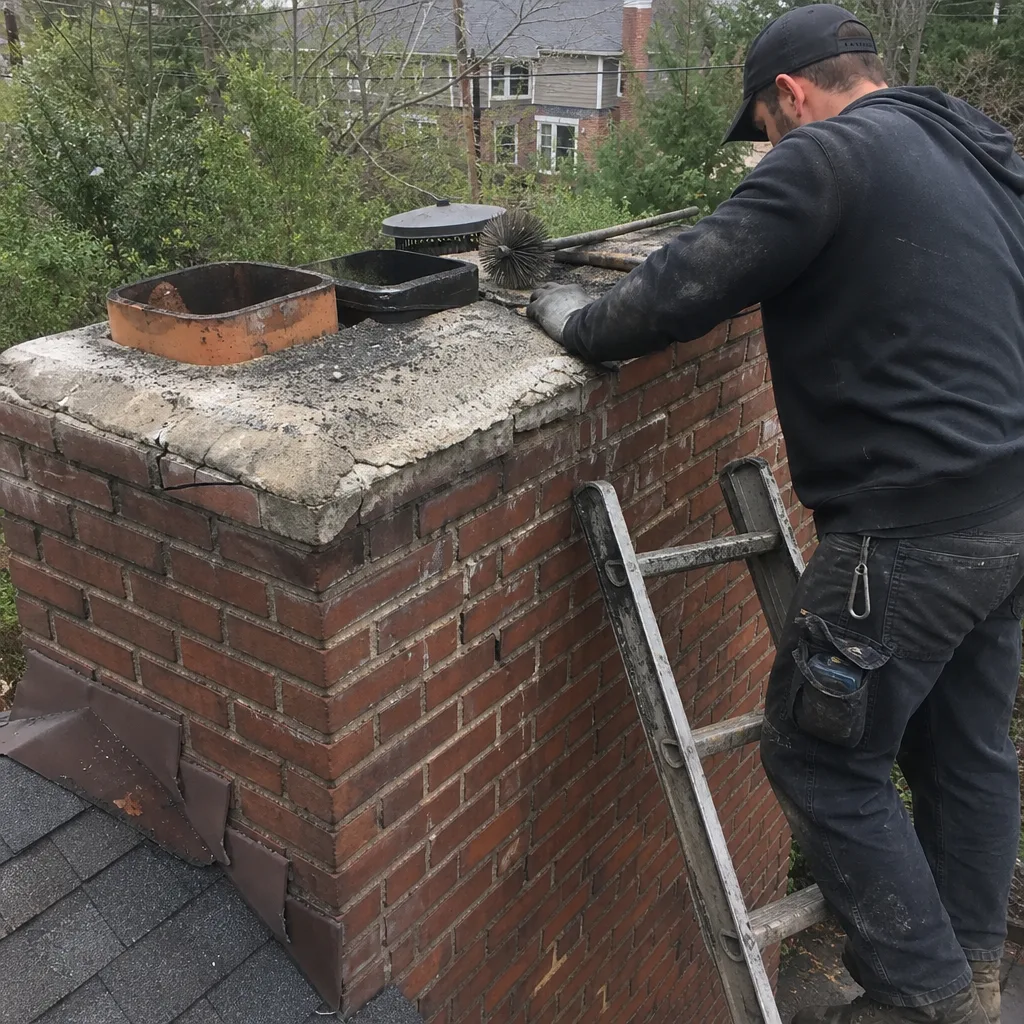 Before
 After
After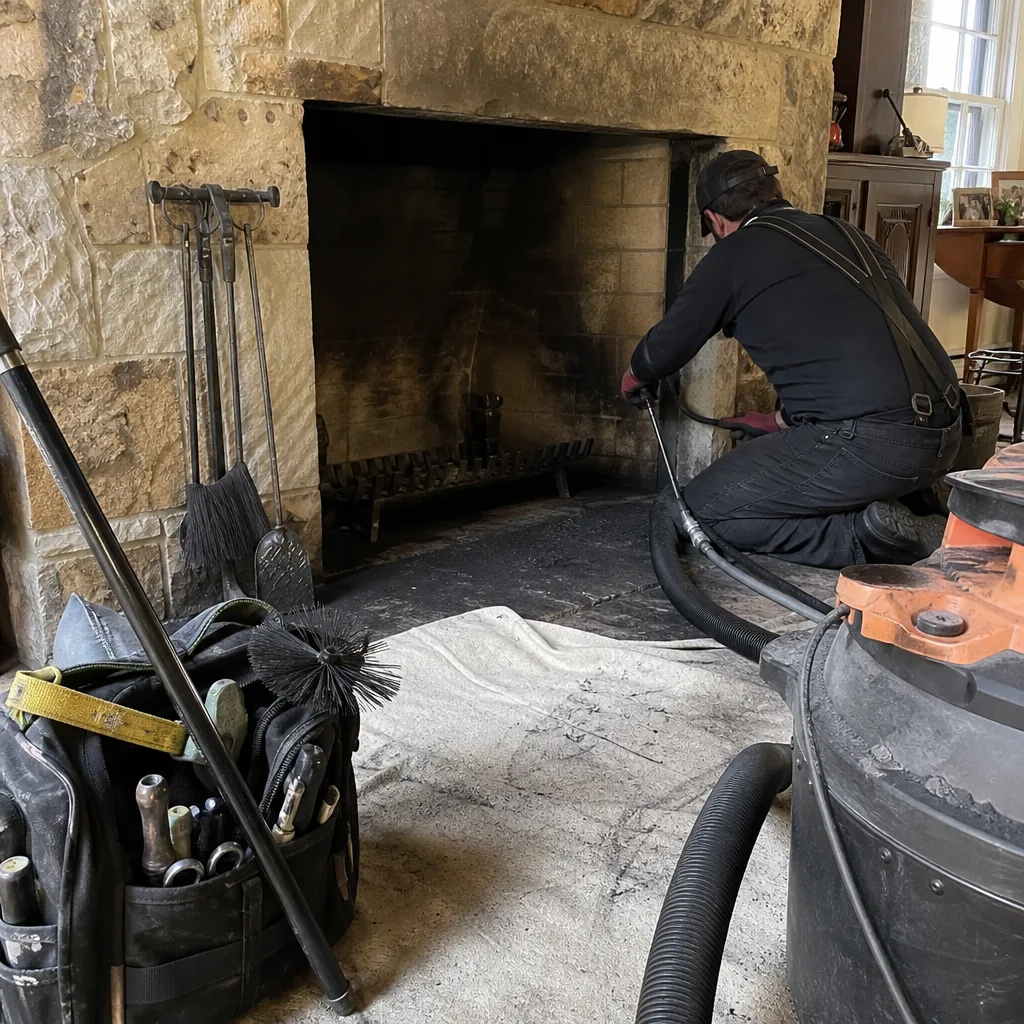 Before
 After
AfterReplacement Cost & What’s Included
In Atlanta, HeatShield damper repair prices break down like this:
- Cable replacement (top-sealing damper): $140 – $210 installed, including the new cable, stop, and pulley adjustment.
- Pivot bar or handle assembly replacement: $90 – $180 installed, depending on whether it’s a simple handle swap or the full pivot bar.
- Damper plate replacement (throat damper, standard widths): $260 – $410 installed, including custom fitting to your firebox opening.
- Full damper frame replacement: $520 – $690 installed, when the frame itself has warped or the firebox mounting points have broken free.
Every one of these includes the written price before we start, the part itself, installation labor, and cleanup of the work area. You also get our written guarantee on the repair. If the damper fails inside the guarantee period, we come back and fix it at no charge. That’s the 365-Day Done Right Promise, and it’s not an upsell; it’s the way Ashby has done business since 2002.
DIY or Call Us?
Here’s the honest split. You can safely diagnose a failing damper with a flashlight and a tape measure. Look for a disconnected cable, a loose pivot, or visible rust on the plate. Measure the firebox width. Take a photo. That helps us arrive with the right part.
What you should not do is attempt the repair yourself. The damper assembly sits above your head inside the firebox, often above shoulder height, and if the plate drops while you’re loosening hardware, it’s a steel plate with sharp edges. Beyond that, misaligning a damper means a leak path for carbon monoxide. A damper that doesn’t seal also means conditioned air escaping, and in Atlanta that’s money leaving your house every month.
If your HeatShield damper is failing and you want it fixed right the first time, call Ashby Chimney Atlanta at (678) 263-7908. We’ll give you a written price, set a real arrival window, and leave the job site cleaner than we found it. Tell me the price first, then tell me why. That’s the only way we know how to do it.
FAQs
In Atlanta’s climate, expect 8 – 14 years from a HeatShield damper assembly before something needs attention. The cable and spring mechanism usually goes first, often around year 8 or 9. The plate itself can last 15 – 20 years if the fireplace is used properly and the damper isn’t forced when stiff.
Most HeatShield damper problems are repairable at the part level. We replace cables, pivot bars, handles, and plates individually, and only recommend a full frame replacement when the mounting structure itself has failed. You’ll see what we see before any work is authorized, and you’ll know what needs to be done today versus what can wait.
Most HeatShield damper repairs in Atlanta take 45 – 90 minutes from setup to cleanup. If we need to custom-fit a plate, add about 30 minutes. We schedule repairs in a single visit, so you don’t have multiple appointments for diagnosis, ordering, and installation.
Yes. We carry HeatShield-compatible cables, pivot bars, and the most common damper plate sizes on every service call. For less common widths, we can typically source the part within a few days and return for the install without repeating the trip charge.
Written by Nathan Corliss, Owner, Ashby Chimney Atlanta, serving Atlanta and nearby areas.