
Last updated October 15, 2026
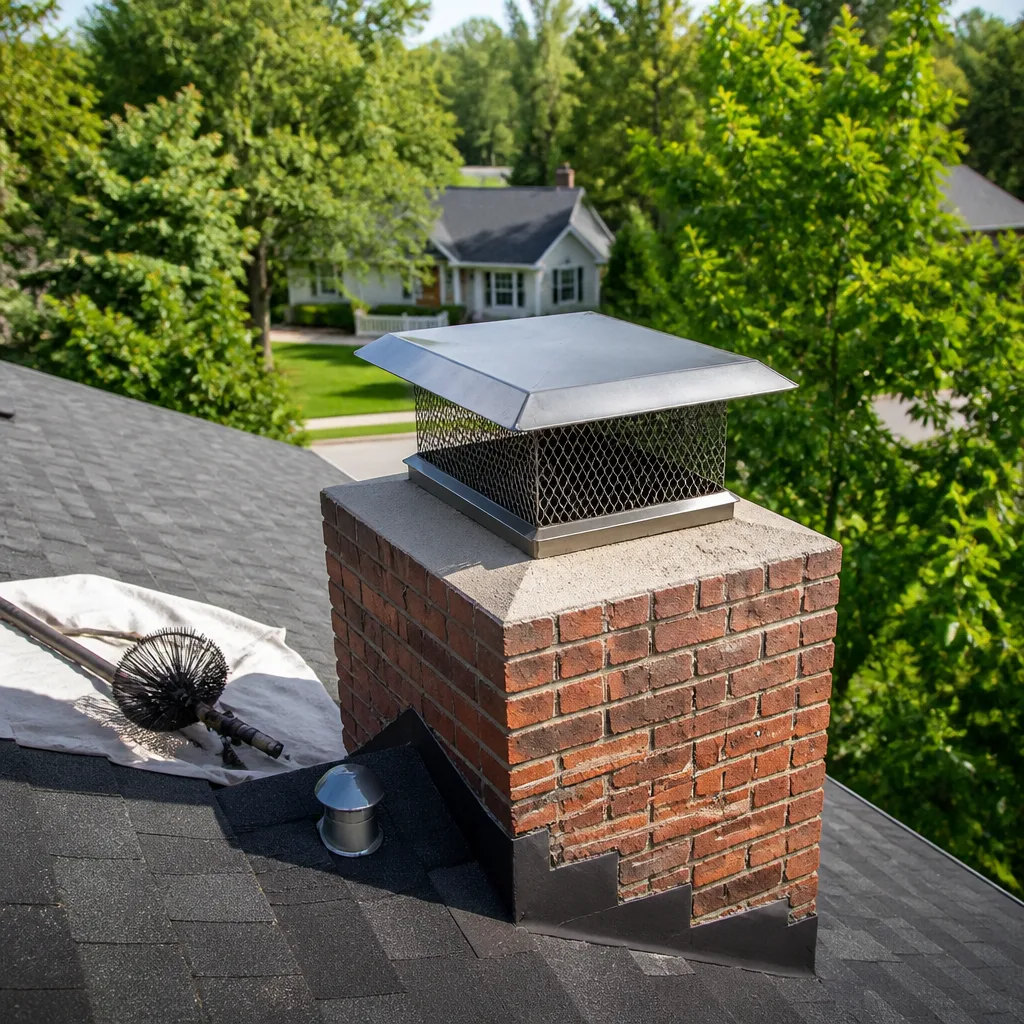 Sweep & inspection
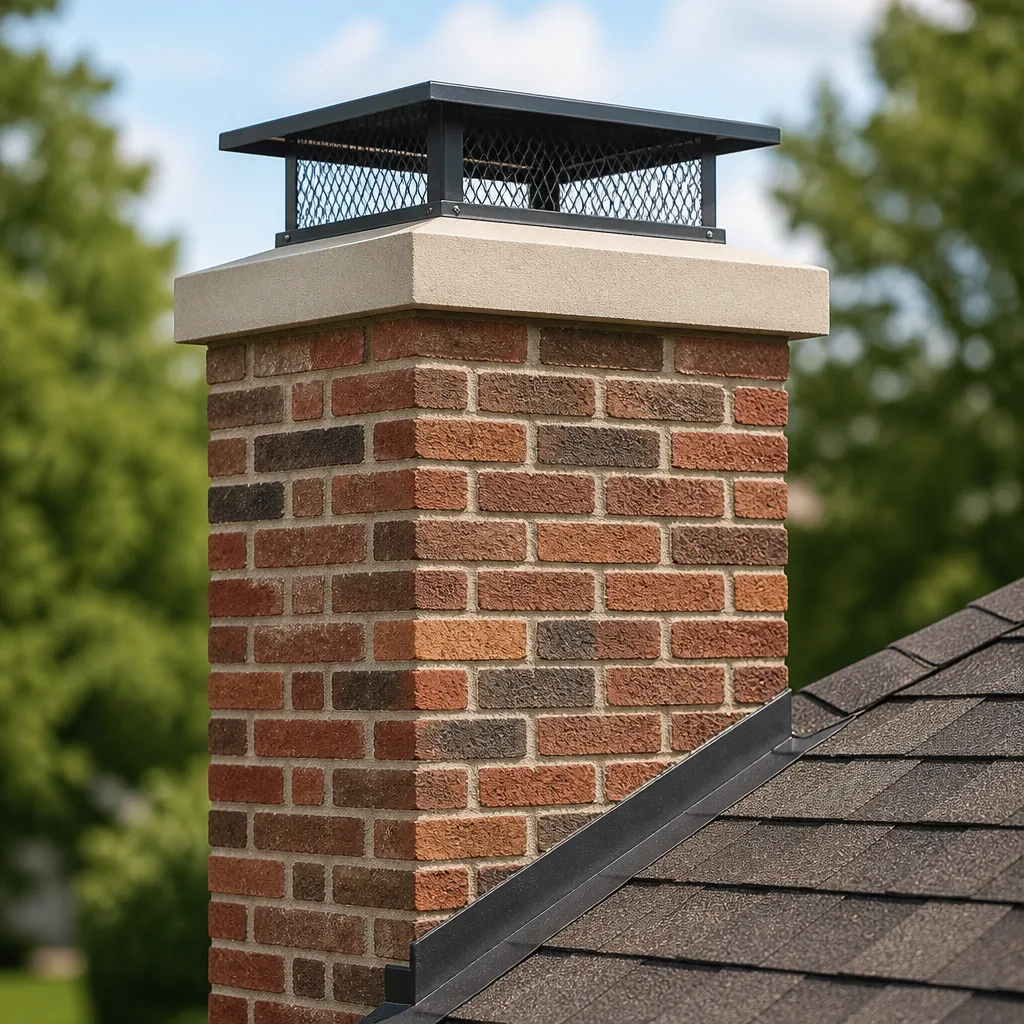 Caps & crowns
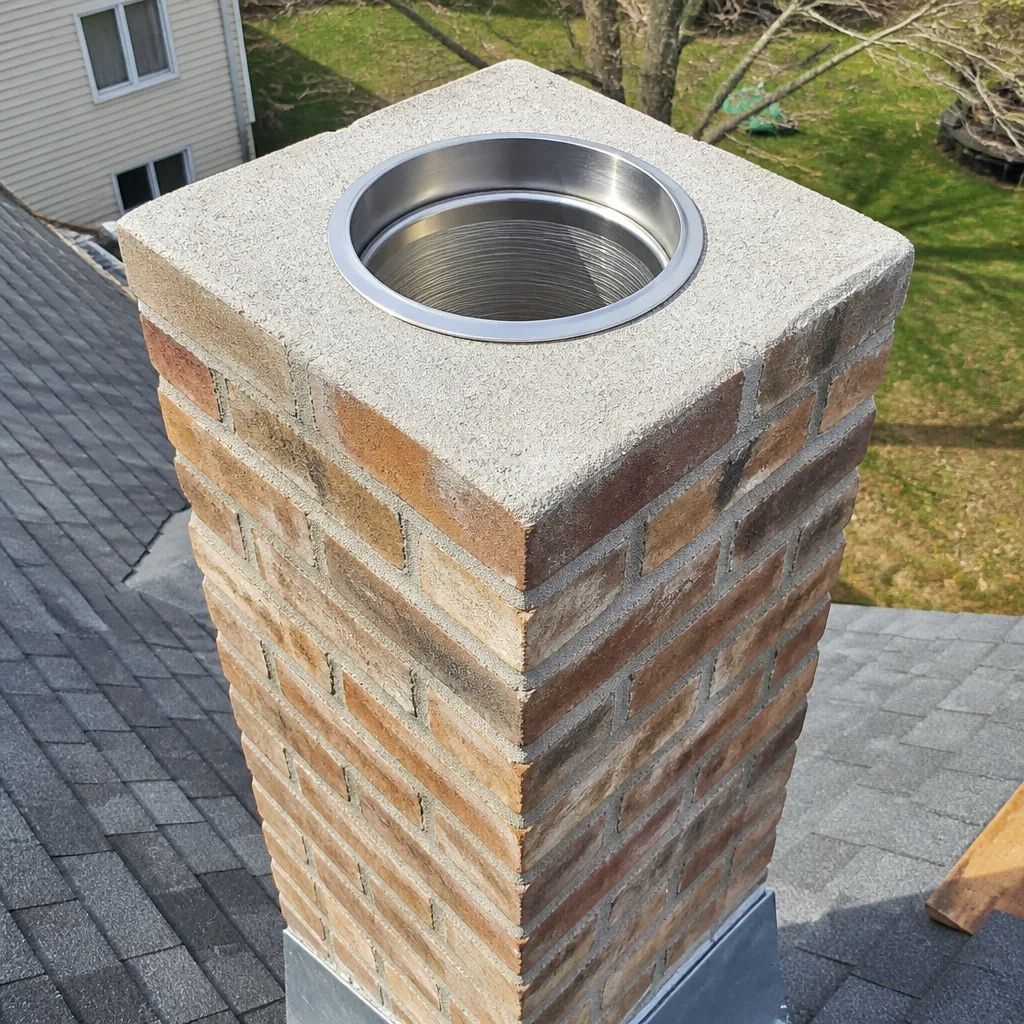 Flue relining
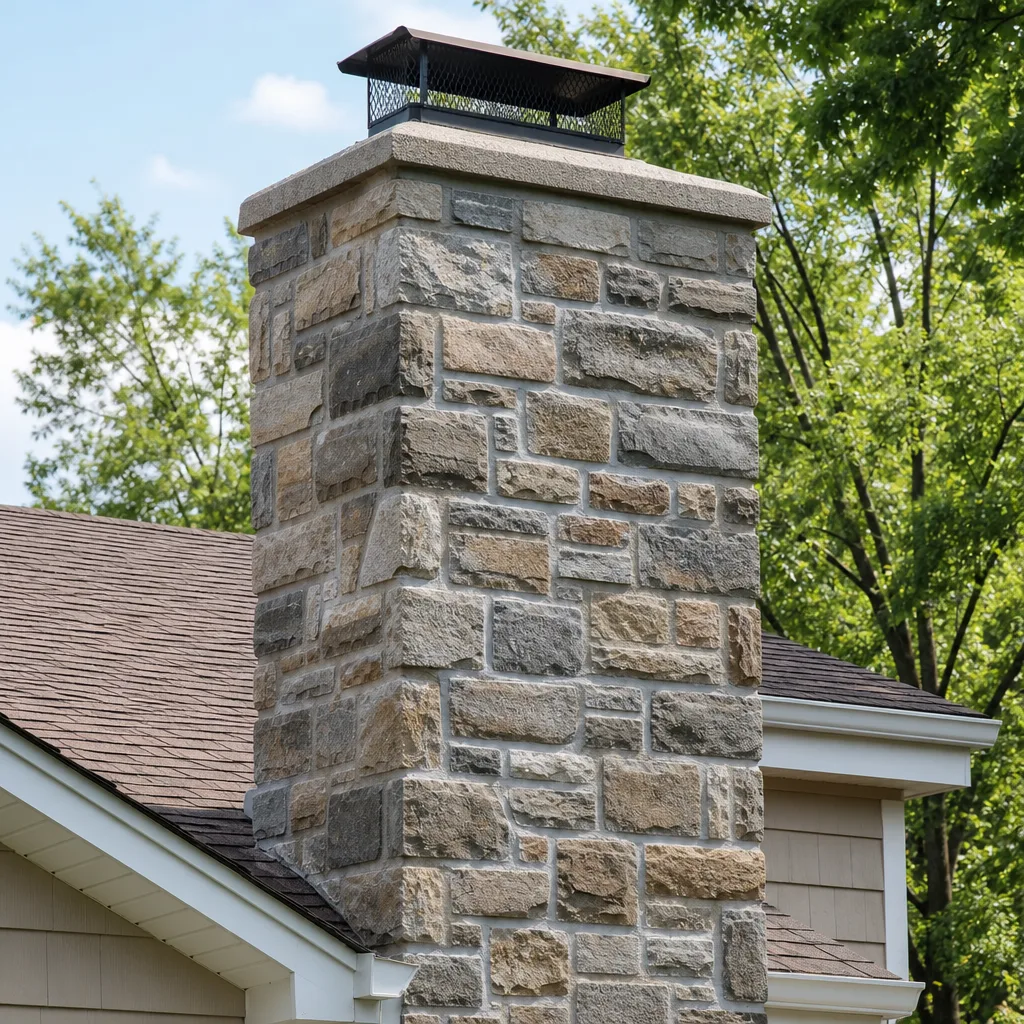 Masonry repair
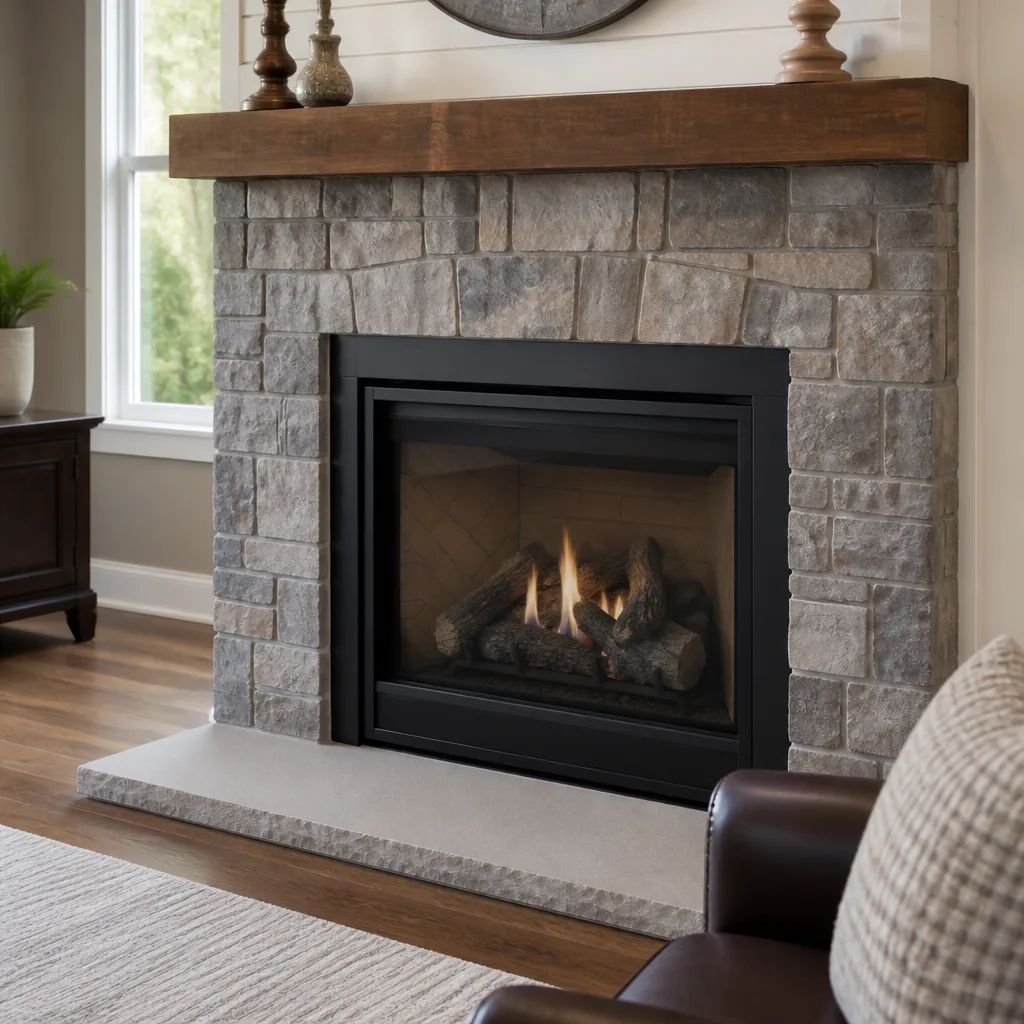 Gas fireplace service
Level 1 sweep and inspection to the NFPA 211 annual standard - flue, crown, cap, and flashing checked and photographed
Chimney sweep logs do not sweep chimneys. They loosen some creosote - which then falls where a brush and vacuum still have to collect it.
Seasonal Chimney Cleaning Care for Atlanta: Year-Round Homeowner’s Guide
The most dangerous fire in an Atlanta home isn’t started in January at the height of fireplace season. It’s the first fire of October, lit in a chimney that spent eight months absorbing humidity, collecting debris, and waiting for someone to check it. Atlanta’s climate doesn’t give your chimney a clean rhythm. It gives you a long, damp off-season followed by an abrupt, often freezing, stretch of heavy use. That pattern does specific, predictable things to flue liners, mortar joints, and caps. This guide walks through what to do in each Atlanta season so the first fire of fall is warm and uneventful, not a call to the fire department.
Styles & brands we work with
Quick Answer
Seasonal chimney care in Atlanta means scheduling a professional chimney sweep and inspection in late summer or early September, before the fall rush and before the first cold snap. Atlanta’s humid summers degrade mortar and accelerate creosote buildup on dormant flue walls, and the freeze-thaw cycles of late winter stress already-damp masonry. A year-round plan is four simple tasks: a late-summer inspection and sweep, a fall pre-burn check, winter vigilance for draft and odor changes, and a spring post-season assessment of the cap and crown.
Table of Contents
- Summer in Atlanta: Why the Off-Season Is the Worst Season for Your Chimney
- Fall in Atlanta: The September Inspection Window (and Why November Is Too Late)
- Winter in Atlanta: Mid-Season Warning Signs and Ice Storm Stress
- Spring in Atlanta: Post-Season Assessment and Storm Damage
- How Often Should You Really Sweep a Chimney in Atlanta?
- What Does a Chimney Sweep and Inspection Cost in Atlanta?
- What Homeowners Can Safely Check Themselves (and What They Shouldn’t Touch)
- Common Mistakes to Avoid
- When to Call a Professional
- Frequently Asked Questions
- The Bottom Line
Summer in Atlanta: Why the Off-Season Is the Worst Season for Your Chimney
Most Atlanta homeowners assume a chimney that isn’t being used isn’t being damaged. The opposite is true. Atlanta’s summer humidity, which routinely pushes 70 to 80 percent relative humidity from June through September, is hard on masonry in ways many people don’t realize. The moist air works its way into porous brick, mortar, and the clay flue liner (the tube that vents combustion gases out of your home). When the air is that wet for that long, the moisture doesn’t just sit on surfaces. It gets absorbed deep into the masonry. Then it dries. Then it gets absorbed again. That cycle, repeated hundreds of times over one Atlanta summer, is what we call a slow-motion assault on your chimney’s structural integrity.
We see the results every September. Spalling brick faces on older Buckhead and Decatur chimneys. Efflorescence, that white chalky residue on the brick, which is just mineral salts pushed out by water moving through the wall. Deteriorated mortar joints that crumble when you press a key into them. And here’s the part that surprises people: all of this happens during a season when the fireplace was never lit once.
So what should you actually do in August, before the busy season hits and you forget about the fireplace entirely?
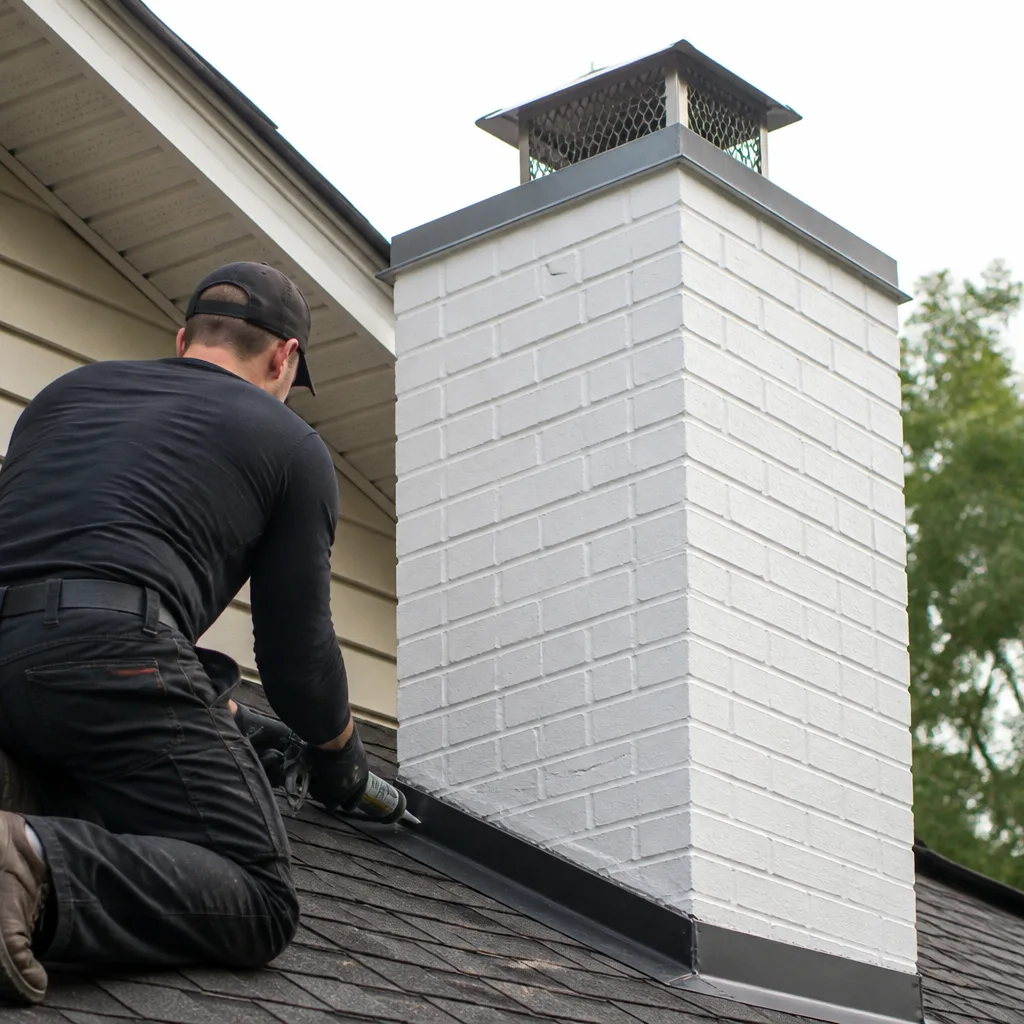
- Do a visual check of the exterior. Walk outside. Look up. You’re checking the brick face for cracks, the crown (the concrete slab at the top of the chimney) for gaps, and the cap for rust or damage. You’re also looking for vegetation. Kudzu, ivy, and moss love Atlanta’s summer, and they climb chimneys. Their roots get into mortar joints and break them apart.
- Look for water stains inside. On a dry day, check the walls and ceiling near the fireplace for brown rings or dark patches. Those indicate a leak that’s been running for a while, and summer is when slow leaks finally show themselves because the rain comes hard and often.
- Schedule your sweep and inspection. Yes, in August. While the weather’s still hot and everyone else has forgotten their fireplace exists. We’ll explain why below.
- Don’t light a fire to test. It’s tempting on a cool rainy evening in July to start a small fire, but the flue is at its most humid point. A fire in a damp, cold, creosote-lined flue is exactly how chimney fires start. Wait until after the inspection.
Summer is also when animals get inside. Atlanta’s raccoons, squirrels, and chimney swifts are all active during warm months, and an uncapped or damaged chimney is an open door. A chimney cap with a proper screen is the single most effective way to keep animals and debris out during the off-season. If you hear scratching or chirping in July, you’ve probably got a tenant, and no, lighting a small fire to smoke them out is not the answer. Call a professional who knows how to handle it without trapping an animal inside.
Fall in Atlanta: The September Inspection Window (and Why November Is Too Late)
If you only do one seasonal chimney task per year in Atlanta, make it this one: book your sweep and inspection in September. Not October. Not November. September.
Here’s the reality of Atlanta’s chimney service market. When the first cold snap hits, typically in late October or early November, every chimney company in the metro area gets flooded with calls. By mid-November, the best companies are booked two to four weeks out. If you wait until you’re cold and standing in front of an unlit fireplace, you’re going to either wait weeks, pay rush pricing, or, worst of all, light the fire anyway and trust a flue that hasn’t been checked in years.
September is the sweet spot. The weather is still mild. The summer humidity is starting to break. And most importantly, a September inspection catches the accumulated damage from the off-season before you ever put a match to kindling. A professional chimney inspection in Atlanta in September is the difference between discovering a cracked flue liner on a Tuesday afternoon and discovering it at 9 p.m. on the first cold night of the year, when every repair technician is already working twelve-hour days.
What happens during a proper fall inspection? We look at the full pathway, top to bottom. The cap and crown up top. The mortar joints along the exterior. The flue liner inside, using a camera when the situation calls for it. The smoke chamber and damper. The firebox floor and walls. A Level 2 inspection, which is what we recommend when there’s been any major weather event, a chimney fire, or a change in how the fireplace performs, includes the entire accessible length of the flue with video documentation. If the flue is clean and sound, you get a fireplace that’s ready to light the moment the temperature drops. If there’s a problem, you get a written price to fix it before it becomes an emergency. For a deeper look at what drives those costs, see our Chimney Cleaning Cost Breakdown: The Atlanta Homeowner’s Reference for 2026.
And if you haven’t booked by mid-October, don’t panic. A late-season sweep is still better than an un-swept flue. Just know that you may be waiting, and you should budget flexibility into your schedule. But shoot for September. It’s the month when an Atlanta chimney owner is smartest about their fireplace, because it’s the month when the timing still works in their favor.
Winter in Atlanta: Mid-Season Warning Signs and Ice Storm Stress
Winter in Atlanta is a strange season. We get stretches of mild, damp weather punctuated by sharp, sudden cold snaps. And every few years, Atlanta gets hit with an ice storm that closes highways, drops tree limbs, and puts real stress on every exposed chimney in the metro area.
That ice is harder on chimneys than most homeowners realize. Here’s the mechanism. Water gets into the porous brick and mortar throughout the winter. When the temperature drops below freezing, that water expands by about nine percent as it turns to ice. That expansion cracks the mortar, enlarges existing hairline fractures, and pushes bricks out of alignment. Then the ice thaws during a warm spell and leaves the newly-opened cracks filled with water, primed for the next freeze. This is the freeze-thaw cycle, and it’s why a chimney that looked fine in November can show visible damage by February. In our experience, the chimneys most vulnerable to ice-storm damage are the ones that already had moisture problems from the humid Atlanta summer. The two seasons work together against your masonry.
During the burning season, here’s what to watch for:
- Smoke rolling back into the room. If smoke comes out of the fireplace instead of going up the flue, something is wrong. It could be a cold flue, a blocked flue, a closed damper, or a real draft problem. Never just “wait it out” with the windows open. This is a sign the system isn’t venting properly.
- An odor that changes. A little smoky smell in the room is normal. A strong, acrid, barbecue-like smell that appears suddenly is not. That can indicate creosote buildup reaching a dangerous level, or a deteriorating flue liner allowing gases where they shouldn’t be.
- Visible smoke outside the chimney. On a cold clear day, some white steam is normal. Thick, dark smoke is a sign of incomplete combustion, which means creosote is being deposited faster than it should be.
- Sounds from inside the chimney. Popping, cracking, or a deep roaring sound are all signs of a chimney fire in progress. If you hear any of these, call 911 first, then deal with the chimney after.
If any of these show up mid-season, stop using the fireplace and call a professional. Mid-season issues are a real argument for the chimney sweep in Atlanta you booked back in September, because most of these problems don’t appear in a flue that was clean and inspected before the first fire.
Spring in Atlanta: Post-Season Assessment and Storm Damage
Spring is when Atlanta homeowners want to move on from the fireplace. The weather is warming up. The windows are open. The fire is out and won’t be lit again for months. But spring is also the right time for a few simple post-season tasks, because March and April in Atlanta bring wind, rain, and the occasional damaging storm.
The biggest thing to check in spring is the chimney cap and crown. Spring storms, especially the line of thunderstorms that rolls through north Georgia every March and April, bring wind and hail that can dent a metal cap, knock it loose, or tear the screen. Hail in particular can crack a concrete crown, giving water a direct path into the chimney structure. A damaged cap or crown left through the humid Atlanta summer is pouring water into your masonry during exactly the season when it does the most damage. That’s how small spring problems become major fall problems.
Here’s a spring checklist:
- Check for visible cap or crown damage. Look for a tilted cap, torn screening, or cracked concrete. If you can see damage from the ground, get a professional to take a closer look.
- Remove ash properly. Ash in the firebox is corrosive. Left sitting through a humid summer, wood ash absorbs moisture from the air and becomes slightly acidic, which can etch the firebox floor. Scoop it out, dispose of it in a metal container, and leave about an inch of ash in the firebox as insulation for the next season if you have a masonry fireplace.
- Close the damper, but not completely. Actually, this one depends on your fireplace. Some dampers need to be closed tightly all summer to keep humid air out. Others benefit from leaving a tiny crack so that air circulates. The right answer depends on your specific setup. Ask your technician during the fall inspection and write the answer down.
- Check for water intrusion after storms. Look for new water stains inside, or dampness around the firebox. Spring is when a leaky chimney announces itself, because the rain is heavy and frequent.
- Schedule any needed repairs for late spring or summer. If the fall inspection found a small issue you deferred, spring is the time to fix it. The weather is mild, the materials are readily available, and the chimney repairs won’t interrupt your heating season. A fireplace repair in Atlanta done in May is far less disruptive than one done in December.
The post-season assessment doesn’t need to be a full inspection every year. But it should be a conscious decision: either you look it over yourself and know what you’re looking for, or you have a professional do it. Skipping it means heading into the next summer blind.
How Often Should You Really Sweep a Chimney in Atlanta?
The National Fire Protection Association says chimneys should be swept and inspected at least once a year. That’s the baseline. But in Atlanta, the answer depends on a few factors specific to how you use your fireplace and what kind of wood you burn.
If you burn a fire more than three times a week during the Atlanta winter season, which runs roughly November through March, you should have the flue checked mid-season or plan for twice-yearly sweeps. If you burn green or unseasoned wood, which is common in Georgia because so many homeowners get firewood from downed trees after storms without seasoning it properly, creosote builds up faster. Green wood produces more smoke, more moisture, and more creosote per fire than seasoned hardwood. We regularly see flues in Atlanta with dangerous creosote levels after just one season of burning green pine or fresh oak.
Creosote is the unburned residue left behind by smoke as it cools and condenses inside the flue. It ranges from flaky soot that brushes off easily to a hard, glaze-like tar that requires professional removal. In its most advanced form, it’s highly flammable and represents the main fuel source for a chimney fire. Our position at Ashby is simple: after a year of fires, don’t guess. The cost of a sweep is far less than the cost of a chimney fire. That’s the math that matters.
For gas fireplaces, the schedule is different. Gas doesn’t produce creosote, but it does produce acidic condensation that can attack metal flue liners and masonry over time. Gas fireplaces still need annual inspections to check the burner, the logs, the vent path, and the integrity of the liner. The visit is often shorter and less involved, but the annual cadence still applies.
What Does a Chimney Sweep and Inspection Cost in Atlanta?
Homeowners should know the numbers before they call. In the Atlanta metro area, a standard chimney sweep (also called a Level 1 cleaning) typically runs between $150 and $300 depending on the company, the condition of the flue, and whether it’s a masonry or prefabricated fireplace. A video inspection, which is part of a Level 2 inspection, adds $100 to $200 to that visit. A full Level 2 inspection without a sweep is usually $200 to $350. These are real market ranges for this area, not guesses.
| Service | Typical Atlanta Range | When You Need It |
|---|---|---|
| Chimney sweep (Level 1) | $150 – $300 | Annual cleaning with no known issues |
| Chimney inspection (Level 1) | $100 – $200 | Annual check when flue is clean and accessible |
| Video / Level 2 inspection | $200 – $350 | After storms, chimney fire, or system change |
| Flue liner repair or replacement | $2,000 – $7,000+ | When inspection confirms liner damage |
| Chimney cap replacement | $150 – $500+ | When cap is missing, rusted, or damaged |
| Crown repair | $300 – $1,200 | When crown is cracked and leaking |
These are honest ranges for the Atlanta market in 2025. The prices vary by chimney height, roof pitch, accessibility, and the specific condition the technician finds. Any company that gives you a flat quote over the phone without looking at your chimney is guessing. At Ashby Chimney Atlanta, you get a written price before any work starts, so the number on the invoice matches the number we quoted at the door. If a repair is needed, you get a written description of what’s wrong, what it costs to fix, and what will happen if you don’t fix it. You also get the Kingswell Guarantee in writing: if a covered repair fails within the guarantee period, we return and correct it at no charge. That’s the 365-Day Done Right Promise, and it’s not sold as an add-on. It’s just how we do business.
For a free estimate specific to your chimney, call (678) 263-7908.
What Homeowners Can Safely Check Themselves (and What They Shouldn’t Touch)
We’re asked this question a lot, and we give an honest answer. There are things a homeowner can do safely, and there are things that should be left to a trained professional with safety equipment and experience working at height. For more guides & resources on chimney care, visit our blog.
Safe to check yourself:
- Visible exterior brick and mortar from the ground. You can see obvious cracks, missing bricks, or crumbling mortar without climbing anything. Use binoculars if you have them.
- Water stains on interior walls and ceilings. These are visible from inside your home and are a reliable sign of a leak.
- Damper operation. You can open and close the damper and check that it moves freely and seals reasonably well.
- Ash and debris in the firebox. Removing cold ash with a scoop is safe and appropriate.
- Animal sounds. You can hear scratching or chirping from inside without climbing.
Do NOT attempt yourself:
- Roof access for chimney inspection. Atlanta roofs are steep, and many are covered in slick moss or lichen after humid summers. Falls from roofs are a leading cause of home-injury deaths in Georgia. Don’t do it.
- Creosote removal or chimney sweeping. The tools matter. The technique matters. The access matters. A proper sweep involves specialized brushes sized to your flue, protective equipment, and a professional understanding of what different creosote types tell you about your burning habits. Also, the fine particulate from creosote is a respiratory irritant and carcinogen. This is not a weekend project.
- Damper replacement or repair. Dampers are tricky, often connected to old cable mechanisms that fail at the worst time. A damper that’s stuck open in a cold snap means icy air dumping into your living room. A damper that’s stuck closed on a cold night with a fire lit means smoke filling the house. This is a repair that needs to work perfectly every time.
- Flue liner inspection or repair. The flue liner is the only thing between the fire and the combustible materials in your home’s structure. That’s a sentence to read twice. Any work on the liner needs to be done by someone who does it every day, using materials that meet industry standards. We use flue-grade materials from established chimney-trade brands like DuraFlex, HeatShield, and Olympia Chimney. The brand matters because the job matters.
The honest answer on camera evidence
One thing we want to say plainly, because we hear the concern all the time: homeowners worry about being told they need thousands of dollars of liner or masonry work they can’t see or verify. That concern is completely legitimate. The industry has a history of exactly this problem. Here’s our approach. At Ashby Chimney Atlanta, we don’t recommend a repair without camera evidence that you can see yourself. If we’re telling you the liner is cracked, we’ll show you the video. If we’re saying the crown is leaking, we’ll show you the photos. If the chimney is clean and safe and doesn’t need work, we’ll tell you that too, and we’ll put it in writing. If a repair can safely wait a year, we’ll say so. The Kingswell Way has five values: say the price, show up in the window, leave it cleaner, put the guarantee in writing, come back if it fails. That’s the whole system. Nothing hidden.
Common Mistakes to Avoid
- Burning green or unseasoned wood. In Atlanta, storms down trees every year, and many people burn the wood without letting it season. Green wood produces thick smoke, excessive creosote, and poor heat. It’s the single biggest contributor to dangerous buildup we see in metro Atlanta chimneys.
- Skipping the summer visual check entirely. The summer is when slow water damage happens. Missing the off-season visual check means finding the problem in November when you’re already ready to burn.
- Waiting until November to book the sweep. November in Atlanta means two to four week wait times. September is the month. Book it then.
- Ignoring a small water stain. Small stains become big stains. Water in the masonry is the root cause of most chimney deterioration. When a small stain appears, address it.
- Assuming a gas fireplace needs nothing. Gas fireplaces need annual checks too. The failure modes are different, but they exist.
- Lighting the first fire without checking the flue. The first fire of October is the one we worry about most. Eight months of humidity, debris, maybe an animal nest. Don’t assume an unused chimney is a ready chimney.
- Accepting a verbal repair quote. Insist on a written price before any work starts. Any company that won’t put the price in writing before starting is signaling exactly how the rest of the job will go.
When to Call a Professional
There’s no shortage of times a chimney needs professional eyes. Call a professional in Atlanta if you see water stains inside, visible exterior cracking, a missing or damaged cap, a damper that won’t open or close, smoke rolling back into the room, or if you hear animal sounds in the chimney. Also call one if it’s been more than a year since the last inspection, or if you’ve just moved into a new house with a fireplace whose history you don’t know. Every one of those situations is a legitimate reason for a professional visit, not a DIY afternoon. Ashby Chimney Atlanta home offers free estimates in Atlanta. Call (678) 263-7908 and a real person answers, 24 hours a day, 7 days a week. No voicemail loops, no callback forms, no waiting until Monday.
Frequently Asked Questions
A standard chimney sweep in Atlanta typically costs between $150 and $300, with video inspection adding another $100 to $200 if needed. The final price depends on the chimney’s height, roof accessibility, and the condition of the flue. At Ashby Chimney Atlanta, you’ll get a written price before any work starts. Call (678) 263-7908 for an exact quote.
At least once a year, before the burning season starts in the fall. If you burn fires more than three times a week, or if you burn green wood, plan for a mid-season check or twice-yearly sweeping. Atlanta’s humidity makes creosote stickier and harder to remove than in drier climates, so don’t stretch the schedule.
You’re running the risk of creosote buildup, water damage, hidden flue liner cracks, and animal blockages, all of which compound over time. Learn to spot trouble early with our Chimney Cleaning Warning Signs: A Atlanta Homeowner’s Reference Guide. A chimney that’s been ignored for five years might look fine from the living room and be unsafe to use. The most common expensive repairs we see in Atlanta are on chimneys that went years without inspection. The sweep and inspection is the single most cost-effective maintenance a fireplace owner can do.
Yes, if the liner is genuinely cracked or deteriorated. The flue liner is the only barrier between a fire in your firebox and the combustible framing inside your walls. A cracked liner lets heat and gases reach wood framing. That’s the situation that leads to house fires. But before you accept that recommendation, make sure you see the camera evidence. At Ashby, we show you the video. If the liner is intact and safe, we’ll tell you that, in writing. If it’s not, you’ll see it yourself.
Because every chimney company in the metro area is booked solid by November. September gives you availability, mild weather, and a flue that’s clean and inspected before the first cold snap. A September sweep means the first fire of October is safe and ready. Call (678) 263-7908 in August or September to get ahead of the rush.
Yes, it does. High humidity from June through September saturates the porous brick and mortar, and that cycles of absorption and drying weakens the masonry over time. When winter freeze-thaw cycles hit that already-damp mortar, the expansion of freezing water cracks it further. The humid summer and the freezing winter work together to break down Atlanta chimneys faster than dry-climate chimneys.
The Bottom Line
Atlanta’s climate is hard on chimneys in ways specific to this region. Humid summers saturate masonry. Sudden cold snaps freeze that moisture and crack it. Long stretches of mild weather lull homeowners into forgetting about the fireplace entirely. Then the first cold night of fall arrives, and suddenly the chimney’s condition matters. The smart seasonal plan is simple: check the exterior in summer, book the sweep and inspection in September, watch for warning signs during winter, and assess storm damage in spring. Before you schedule, review Chimney Cleaning Permits, Codes & Inspections in GA: What You Need to Know so you’re prepared. Do that, and the first fire of October will be the warm, quiet start to the season it’s supposed to be. Skip it, and you’re gambling with a system you can’t see. The price of a sweep and inspection is a fraction of the price of a chimney fire or a liner replacement. That’s the honest math. Call (678) 263-7908 for a free estimate in Atlanta, and we’ll put the price in writing before any work begins.
Written by Nathan Corliss, Owner at Ashby Chimney Atlanta, serving Atlanta since 2002.
See the difference
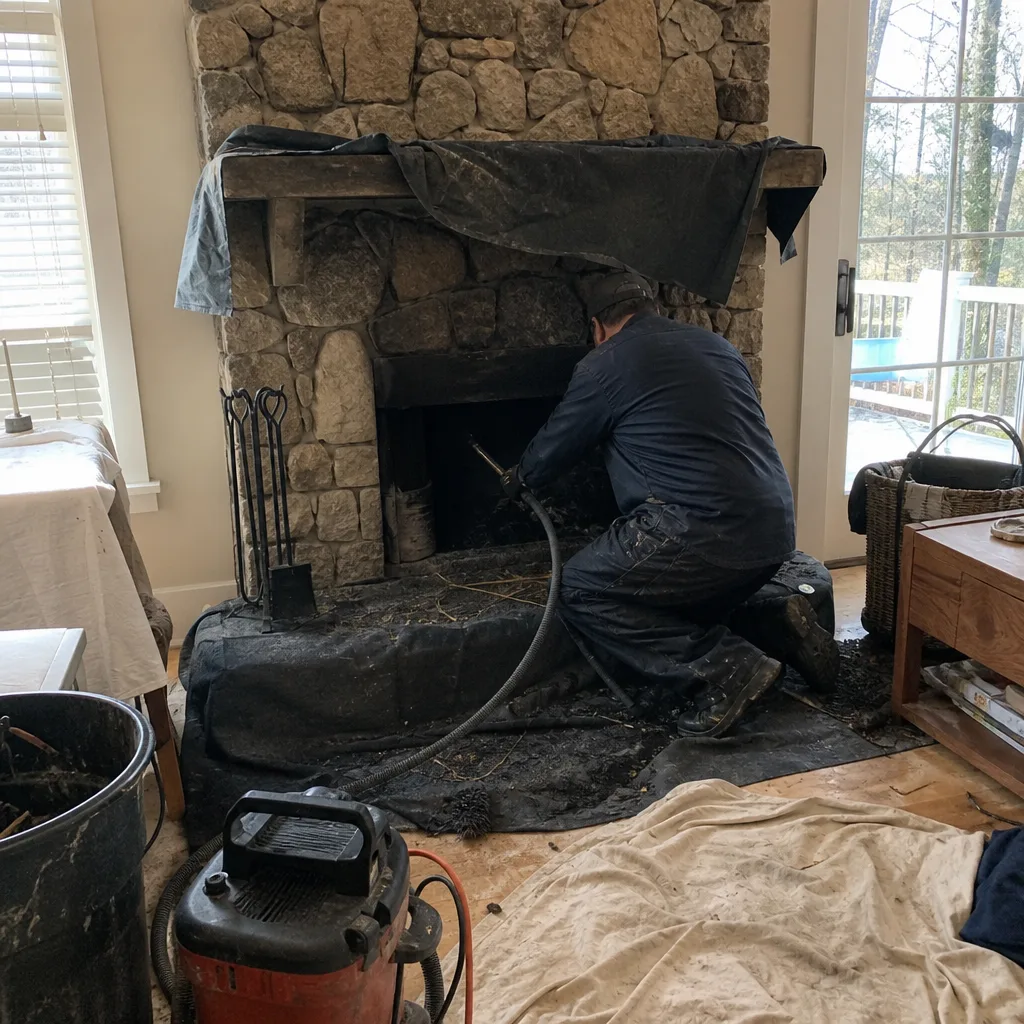 Before
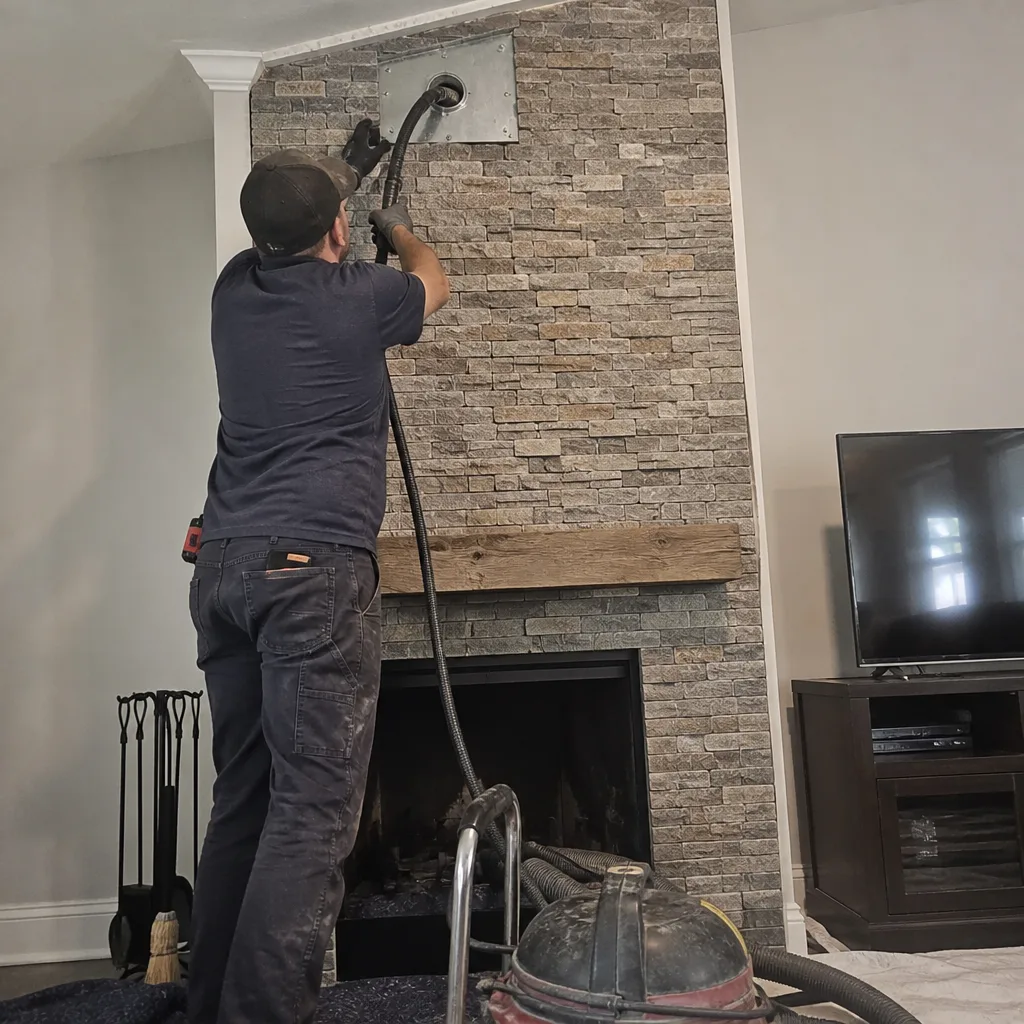 After
After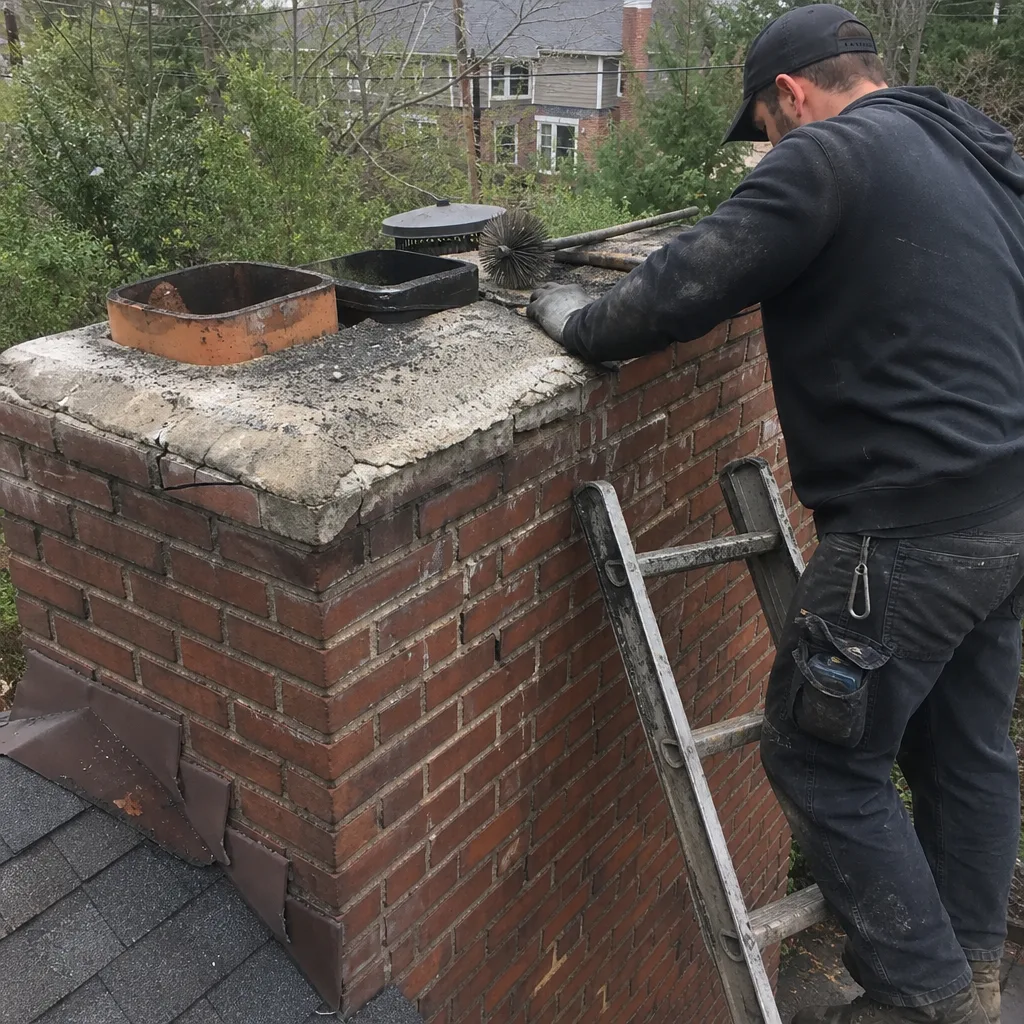 Before
 After
After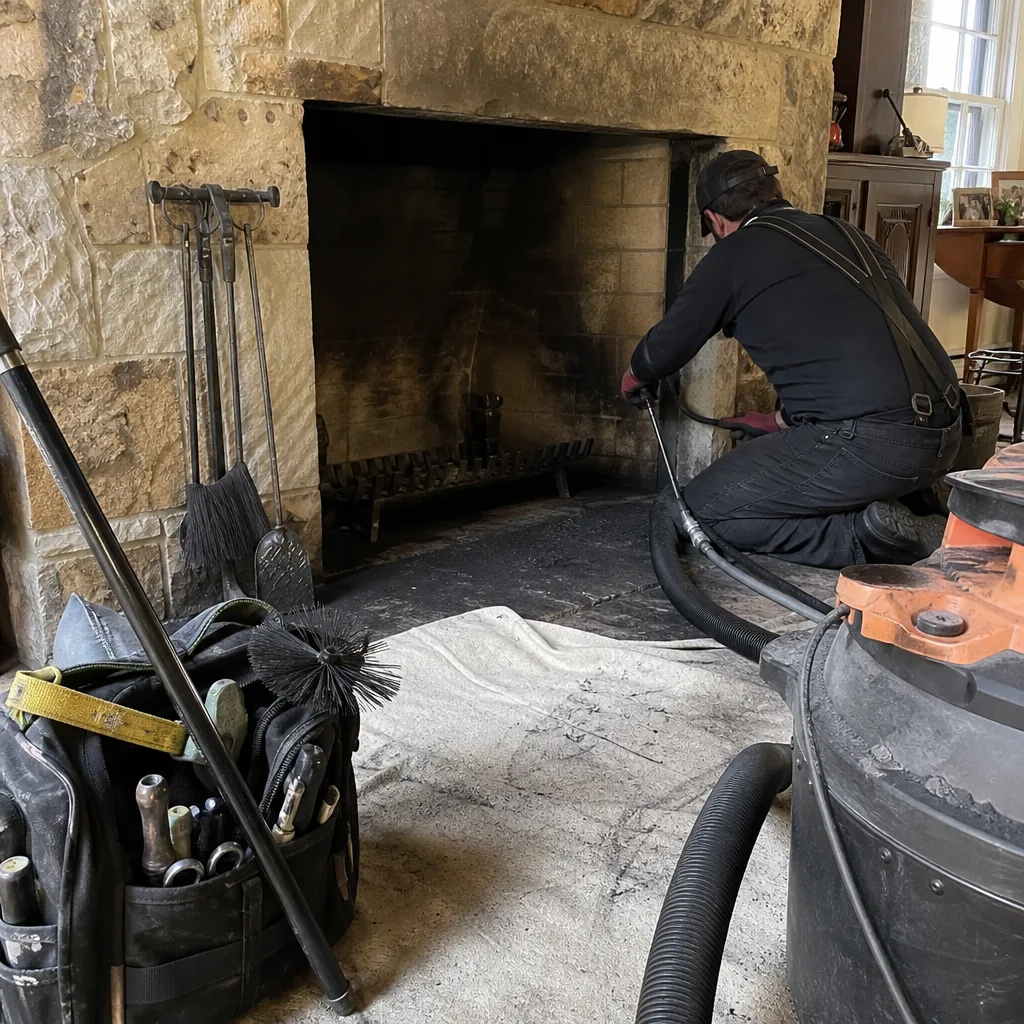 Before
 After
After