
Last updated October 15, 2026
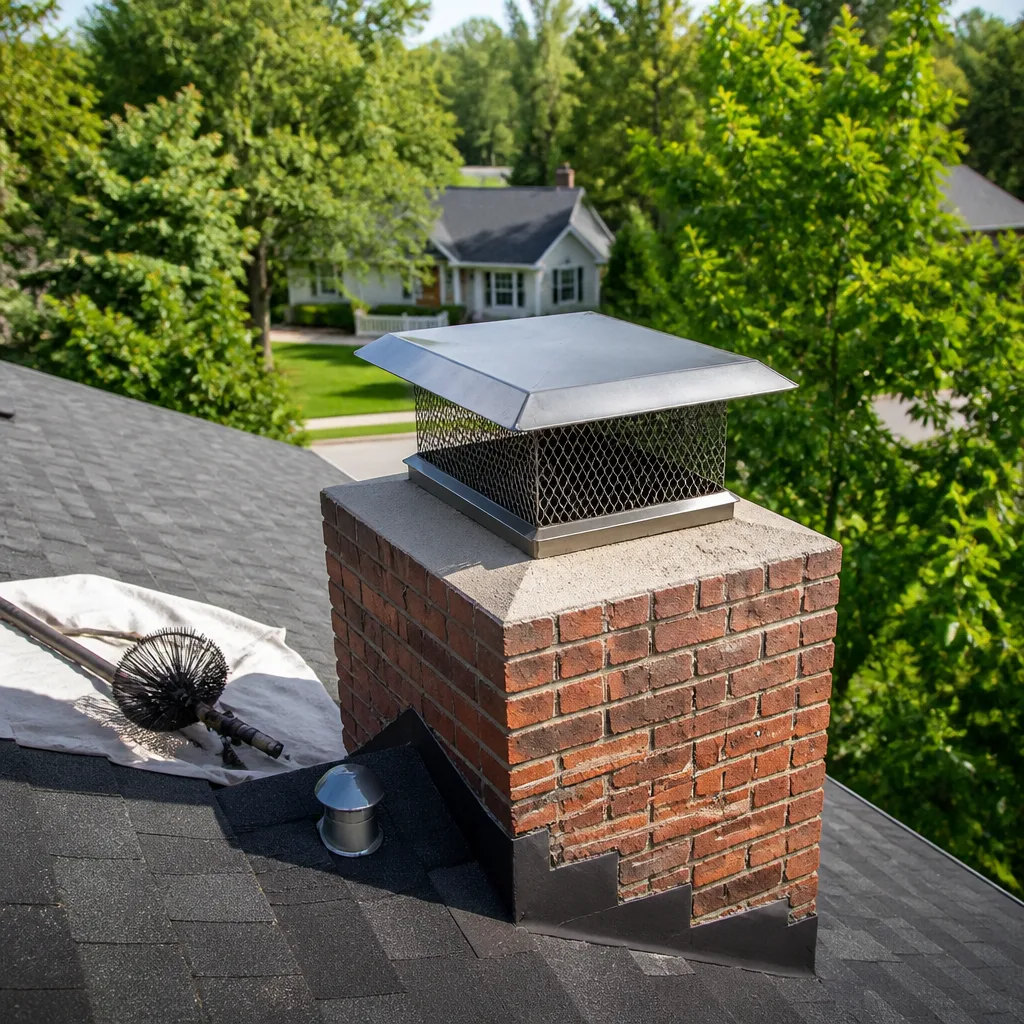 Sweep & inspection
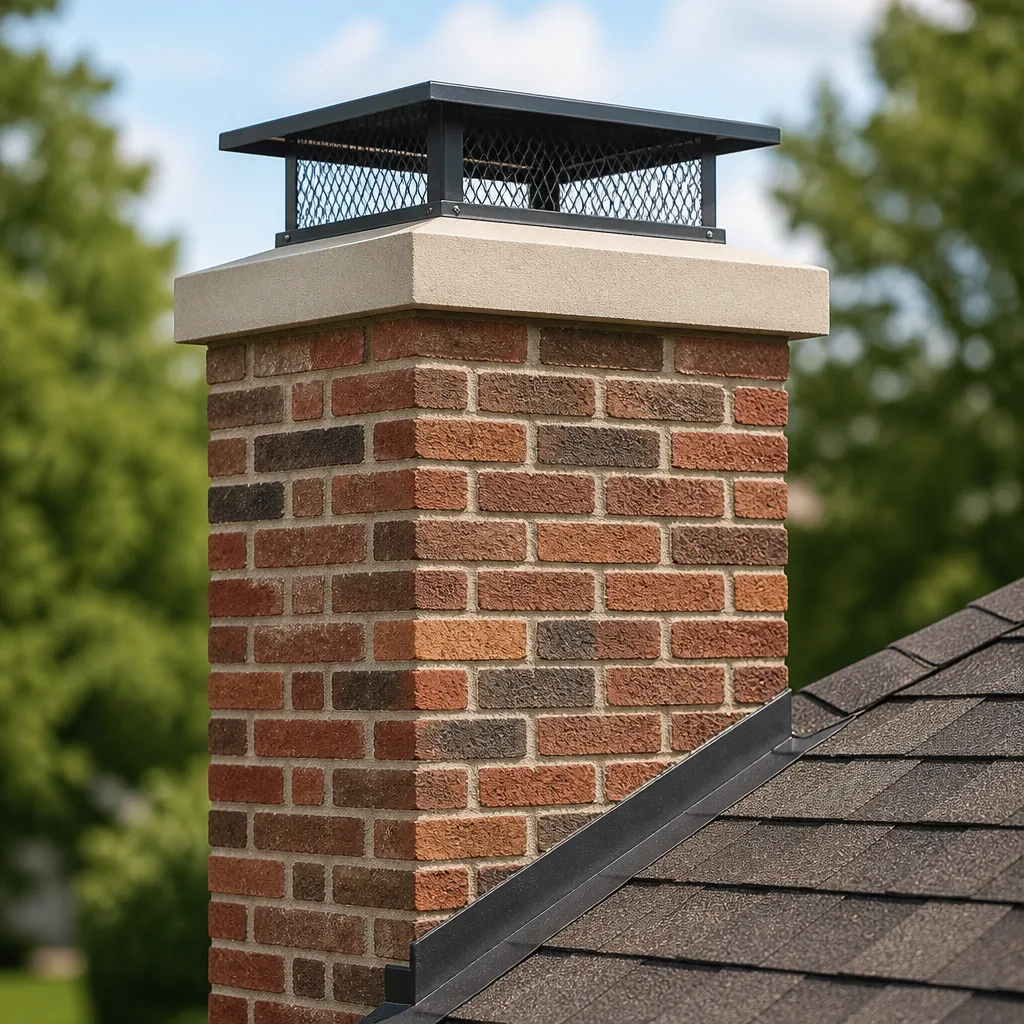 Caps & crowns
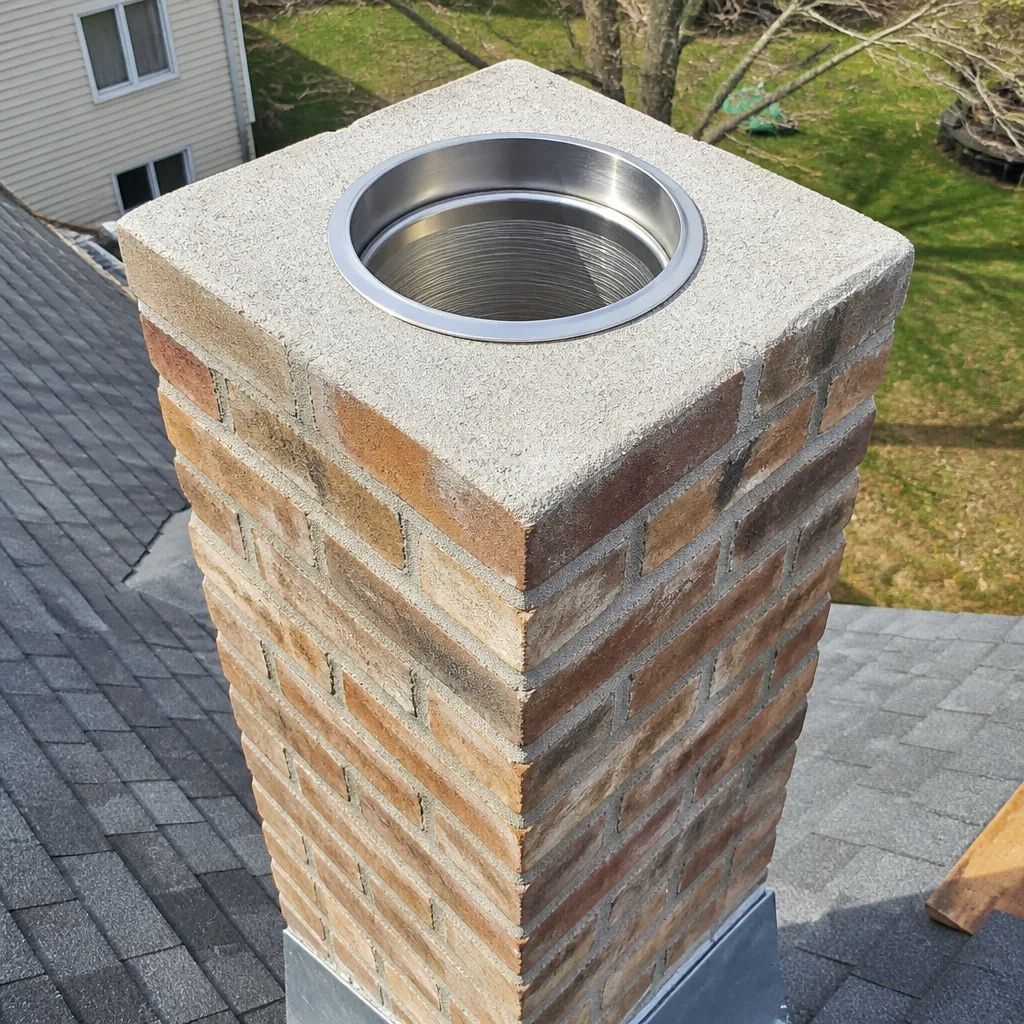 Flue relining
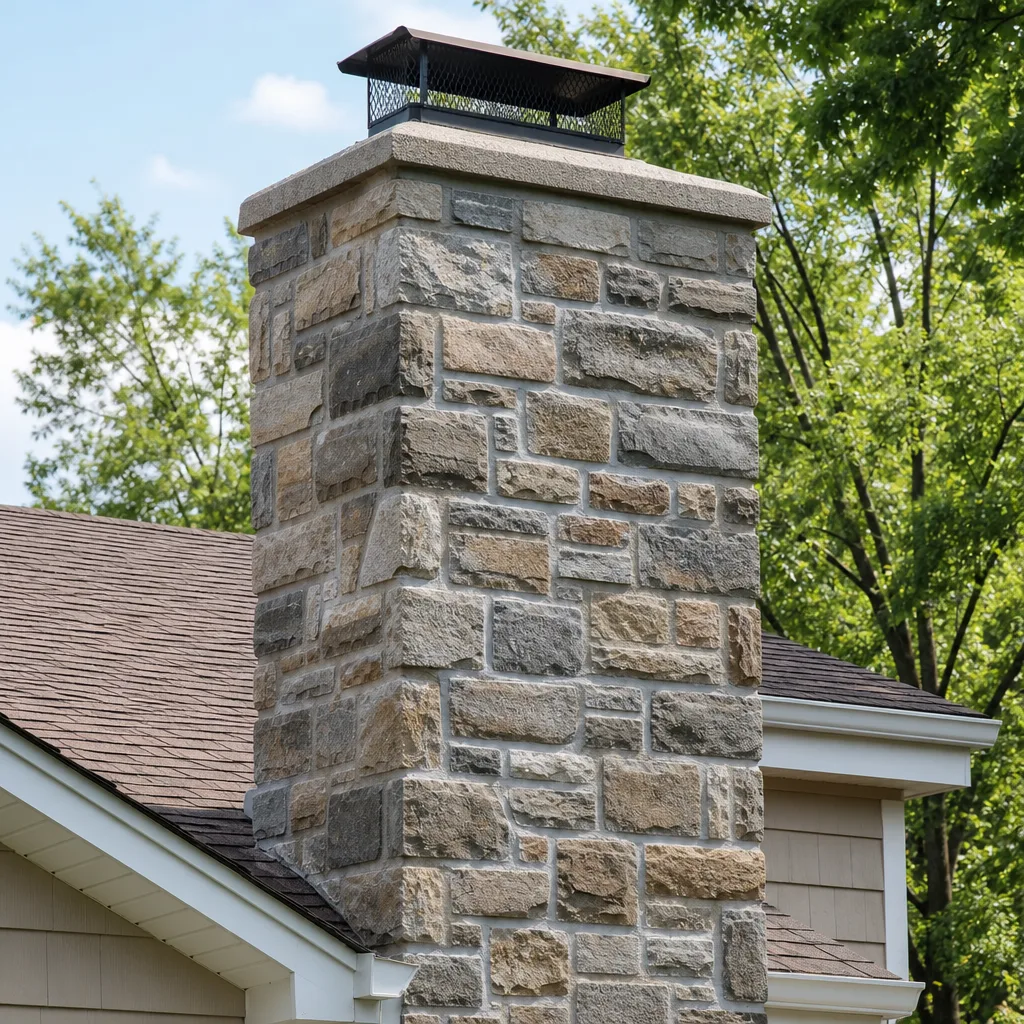 Masonry repair
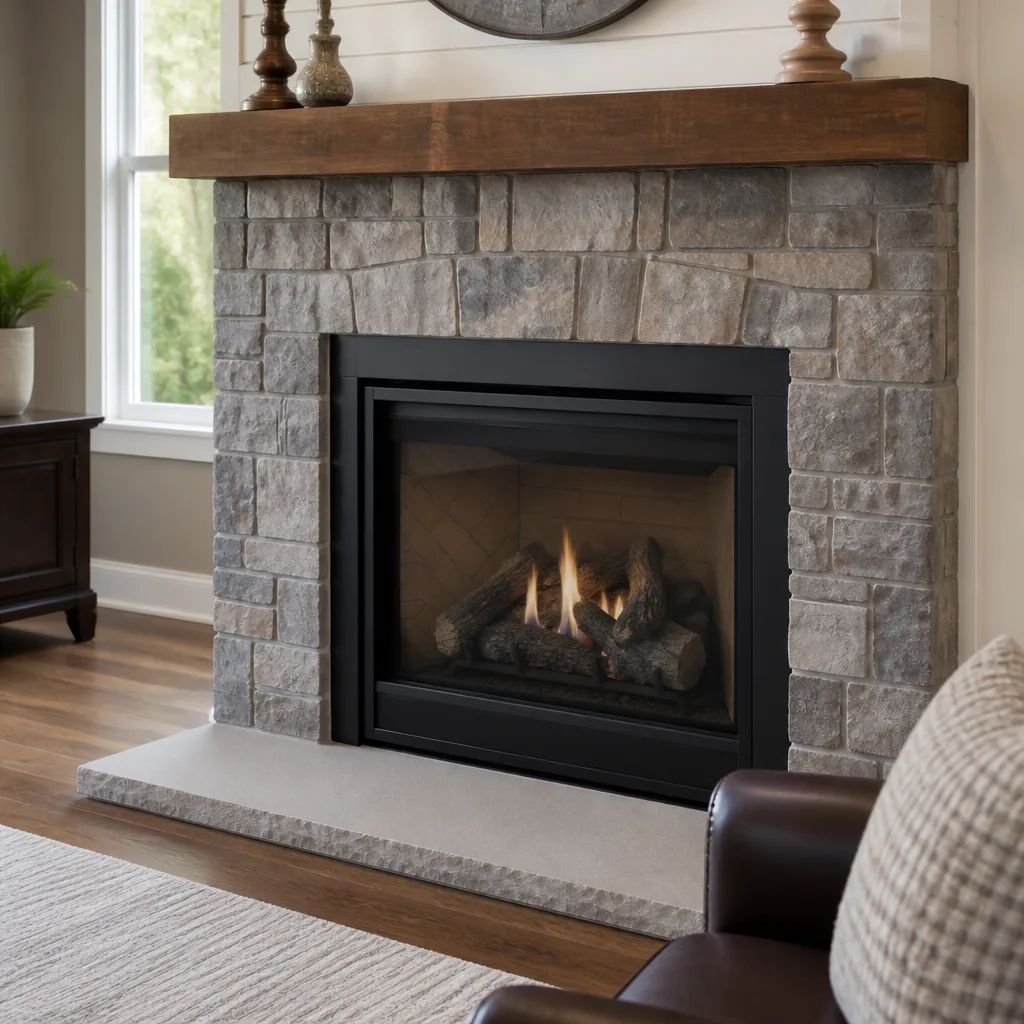 Gas fireplace service
Level 1 sweep and inspection to the NFPA 211 annual standard - flue, crown, cap, and flashing checked and photographed
Chimney sweep logs do not sweep chimneys. They loosen some creosote - which then falls where a brush and vacuum still have to collect it.
Chimney Sweep Maintenance Checklist for Atlanta Homeowners
Here’s a number most Atlanta homeowners don’t know: the National Fire Protection Association reports that nearly one in four house fires caused by fireplaces and chimneys happens because the chimney wasn’t cleaned or inspected when it should have been. Most of those fires were preventable with a $200 visit. The problem isn’t that homeowners ignore their chimneys. It’s that they’ve never been told what to look for between professional cleanings. This guide fixes that. You’ll learn exactly what you can check yourself, what a professional must handle, what a healthy damper feels like when you operate it, and how to document your chimney’s condition year over year so you’re never surprised by a repair quote in Atlanta.
Styles & brands we work with
Quick Answer
A complete chimney maintenance checklist for Atlanta homeowners includes monthly visual checks of the firebox and exterior brick, an annual damper operation test, cleaning first-stage creosote before it hardens into second-stage glaze, checking for moisture intrusion after Atlanta’s summer storm season, and scheduling Chimney Sweep services based on how often you actually burn fires, not a one-size-fits-all calendar. Most chimney upkeep divides cleanly into what you can verify yourself and what requires a certified sweep with cameras and specialized tools.
Table of Contents
- Know Your Chimney Before You Touch It
- The Homeowner-Verified Checklist: What You Can Check Yourself
- The Professional-Only Checklist: What Requires a Trained Sweep
- How to Test a Damper: What Healthy Feels Like vs. What Failure Feels Like
- Documenting Your Chimney Year Over Year: Your Photo Baseline
- How Often Should You Actually Sweep in Atlanta?
- Atlanta’s Storm Season and Chimney Moisture: What to Check Before Fall
- Common Mistakes to Avoid
- When to Call a Professional
- Frequently Asked Questions
- The Bottom Line
Know Your Chimney Before You Touch It
Before you open the damper or shine a flashlight up the flue, you need to know what kind of chimney you have. Atlanta homes split roughly into two camps: masonry chimneys built from brick and mortar with a clay tile liner inside, and prefabricated metal chimneys that came with the house or were added later. Each behaves differently, fails differently, and costs differently to repair.
A masonry chimney in a home built before 1980 likely has a clay tile flue liner, the clay or steel tube that vents combustion gases out of your home. Those tiles crack over time, especially in Atlanta where summer humidity and winter freeze cycles stress the mortar joints. When a tile cracks, the gap lets heat and gases reach the brick and framing around the chimney. That’s how chimney fires start in Atlanta homes that look fine from the outside.
A prefabricated chimney is a factory-built metal system, usually a stainless steel pipe inside a metal chase. These are common in Atlanta homes built after 1990. They don’t develop the same cracked-tile problems, but their metal liners corrode, their chase covers rust through, and their caps blow off in the spring storms that roll through North Georgia.
You don’t need to know every component name to maintain your chimney well. But you do need to know this: if you have a masonry chimney, the liner is your first line of defense. If you have a prefab chimney, the cap and chase cover are the parts that fail first. Knowing which type you have tells you where to look and what to photograph.
If you’re not sure which type you have, walk outside and look at the chimney. Brick, stone, or stucco means masonry. A metal box on the roof or a pipe sticking out of the roof means prefab. That’s it. No special tools required.
The Homeowner-Verified Checklist: What You Can Check Yourself
Most chimney checklists hand homeowners a list of tasks without telling them which items are actually safe and useful for a non-professional to do, unlike our DIY vs Professional Chimney Cleaning guide. Here’s the honest version. These are the five checks you can do yourself safely, with a flashlight and a pair of eyes. None of these require climbing onto the roof. None require special tools. All of them will catch problems early enough to keep a repair small.
1. Check the Firebox for Cracked Brick and Gaps
Open the glass doors or screen and look at the floor and walls of the firebox, the chamber where the fire burns. Run your eyes along every mortar joint. Look for hairline cracks in the firebrick, gaps where the firebrick meets the floor, and any brick that moves when you press on it with a finger. A cracked firebrick can let heat reach the wooden subfloor beneath the fireplace, and in an Atlanta home with a crawlspace, that’s a slow path to a house fire. Any brick that shifts or any gap wider than a dime is a reason to call a sweep in Atlanta before your next fire.
2. Look for First-Stage Creosote Before It Becomes Second-Stage Glaze
Creosote forms in three stages, and the difference matters more than most homeowners realize. First-stage creosote is a flaky, sooty, dark gray or brown dust that brushes off easily. It’s normal after burning wood, and a standard sweep removes it. Second-stage creosote is a shiny, black, tar-like glaze that looks like melted plastic coating the flue walls. Third-stage is a hardened, glossy, honeycomb-textured crust. Here’s the problem: second-stage creosote is highly combustible and it can’t be removed with a standard brush. It requires chemical treatment or mechanical removal with rotary tools, and it’s the stage most often responsible for chimney fires in Atlanta homes.
You can’t see into the upper flue from your living room, but you can check the smoke chamber area just above the damper when the damper is open. Shine a flashlight up and look for shiny black coating on the walls. If you see glossy black material rather than dusty gray soot, call a professional sweep in Atlanta before you burn another fire. The fix is still cheaper now than after a chimney fire.
3. Check the Damper’s Operation (Visually)
Open and close the damper a few times and listen. A healthy damper moves with some resistance but without grinding, and it seats fully when closed. A damper that’s warped from heat will bind partway, feel gritty when you work the handle, or won’t close all the way. A damper that won’t fully close is a safety issue: it lets warm air from your house escape up the chimney all winter, and it’s a sign the metal has overheated at some point. If yours feels wrong, don’t force it. Forcing a warped damper can snap the control rod, and replacing a damper in an Atlanta home runs more than the cost of a sweep. The full damper operation test is covered in a later section, because it’s the single most telling check you can do yourself.
4. Inspect the Chimney Exterior From the Ground
Walk outside and look at your chimney from the ground. Look for three things. First, white staining or white crystals on the brick face. That’s efflorescence, and it means water is moving through the masonry. In Atlanta, where summer humidity is relentless and winter brings freeze-thaw cycles, efflorescence means the brick is slowly degrading from the inside out. Second, look for spalling: brick faces that have flaked or popped off, leaving a pitted surface. Tap a brick gently with a wooden broom handle from the ground. A solid brick sounds solid. A spalled brick sounds hollow or flaky. Third, look at the mortar joints. If you can scrape mortar out with a fingernail from ground level, the joints are failing and need repointing before water works deeper into the wall.
5. Check Around the Fireplace for Moisture Stains
After Atlanta’s heavy summer storms, check the ceiling around the chimney chase, the wall behind the fireplace, and the floor around the hearth for water stains, musty smells, or bubbling paint. A water stain on the ceiling near the chimney is the signature of a failed chimney cap or chase cover. It doesn’t get better on its own. In our experience, by the time a homeowner sees a ceiling stain in an Atlanta home, water has been entering the chimney system for at least one full season. Call a sweep in Atlanta when you see it, not after the next storm.
The Professional-Only Checklist: What Requires a Trained Sweep
Some parts of chimney maintenance are not DIY, and anyone who tells you otherwise is skipping the part where they hand you a hospital bill. Here’s what a professional sweep does, and why you should not attempt these yourself.
A Camera Inspection of the Full Flue Liner
A professional chimney inspection in Atlanta typically includes a camera run up the entire flue liner. The camera shows cracks in clay tiles, gaps between tile sections, deteriorating mortar joints, and creosote buildup in the upper third of the flue that you can’t see from below. A cracked clay tile is the kind of thing you can’t see with a flashlight and can’t feel from the firebox. It requires a camera and an experienced eye. If a sweep tells you that you need a new liner, the camera footage is your evidence. At Ashby Chimney Atlanta, we don’t recommend a liner replacement without showing you the camera images first. You should demand that from any sweep in Atlanta.
Creosote Removal in the Upper Flue and Smoke Chamber
Brushing the firebox and the first few feet of the flue is not a chimney sweep. A proper sweep in Atlanta removes creosote from the entire flue, including the upper third near the chimney cap and the smoke chamber above the damper, where creosote accumulates fastest because that’s where smoke cools and condenses. A full sweep requires rods, brushes sized to your flue, and often a rotary cleaning system for second-stage creosote. This is not a job for a shop vac and a broom.
Chimney Cap and Chase Cover Replacement
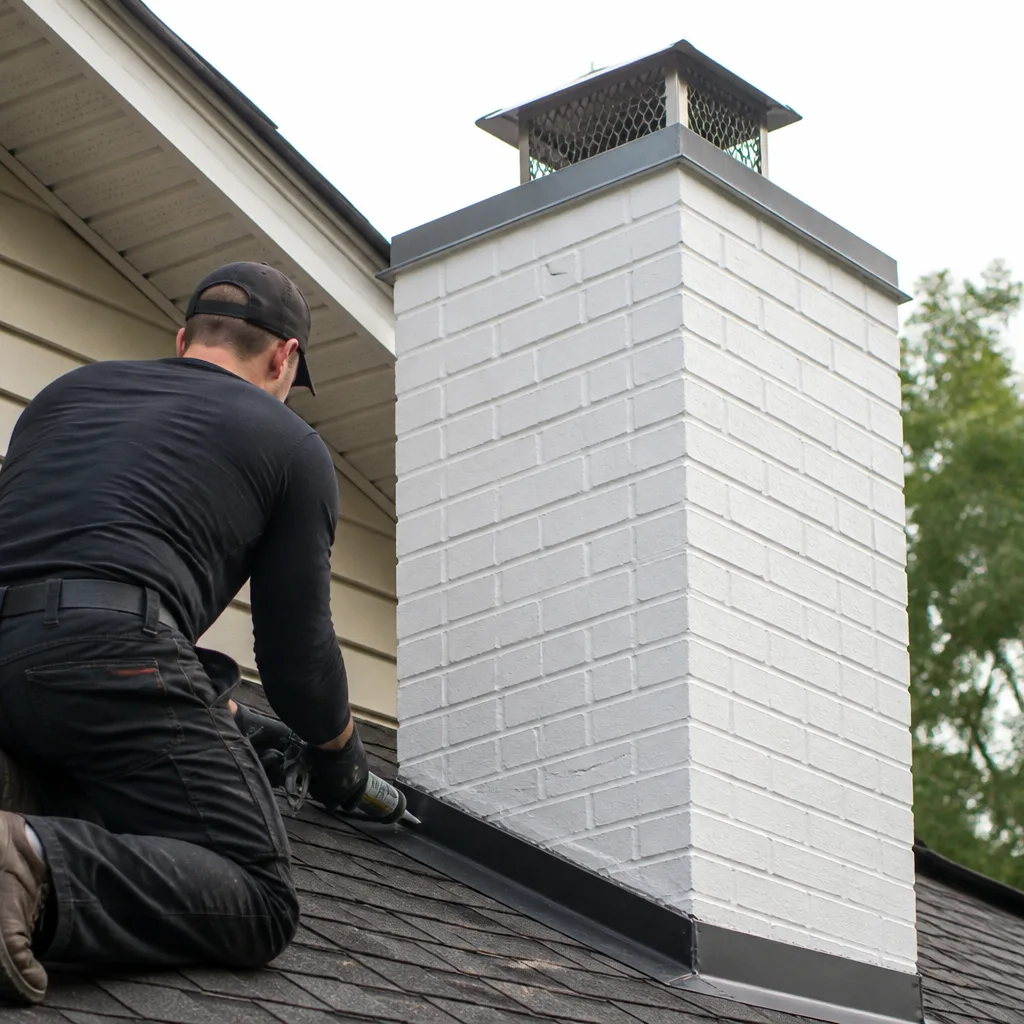
When a chimney cap or chase cover has rusted through or blown off in an Atlanta storm, the replacement requires working on the roof, sealing the new cap correctly, and often replacing the top course of brick or the crown beneath it. A loose or missing cap is how rain, birds, squirrels, and leaves get into the flue, and a blocked flue is how carbon monoxide backs up into an Atlanta living room. Roof work with fall potential is exactly why this is a professional-only item. If your cap is damaged, don’t climb up to fix it. Chimney sweep in Atlanta calls often start with “my cap blew off in the last storm.”
Flue Liner Repair or Replacement
When the camera inspection shows cracked clay tiles or a deteriorating metal liner, the fix is either a stainless steel liner from a brand like DuraFlex installed inside the existing flue, or a resurfacing system like HeatShield that coats the existing tiles. Both are professional installations. Both require specialized materials, measurements, and techniques. A liner repair is not a patch job. When it’s done wrong, the homeowner discovers it six weeks later when smoke backs up into the house. That’s the kind of failure Atlanta homeowners call us about most often, and it’s the reason we put a written guarantee on every repair.
Masonry Repair: Repointing, Crown Repair, and Spalling Brick
Repointing is the process of removing deteriorated mortar and replacing it with fresh mortar. It looks simple and it’s not. The new mortar must match the existing mortar’s strength and composition, or it causes more damage than it fixes. Too hard and it crushes the soft old brick. Too soft and it washes out in the first Atlanta rain. Crown repair, tuckpointing, and spalled brick replacement are all professional masonry work. We use materials from Olympia Chimney and other trade suppliers because the mortar and cement you find at a big-box store is rarely the right spec for a 60-year-old Atlanta chimney.
How to Test a Damper: What Healthy Feels Like vs. What Failure Feels Like
Most checklists say “check the damper” without explaining what healthy feels like. Here’s the test. Do this once a year, before your first fall fire in Atlanta.
- Open the damper fully using the handle or lever. A healthy damper moves smoothly with consistent resistance. It shouldn’t require force, and it shouldn’t flop open or closed under its own weight.
- Close the damper and listen. A healthy damper seats with a soft metallic thud. If you hear a rattle or see a gap around the edges when it’s closed, the damper is warped or the frame is out of alignment.
- Open it halfway and let go of the handle. A healthy damper stays put. If it drops closed, the tension mechanism is worn out. If it creeps open, the linkage is loose.
- Shine a flashlight up past the open damper into the smoke chamber. You’re looking for black shiny creosote on the chamber walls, and you’re checking that the damper opens fully without obstruction.
A damper that’s warped, rusted, or stuck is a sign of heat damage, not just age. It means at some point the fireplace burned hotter than it should have, and the metal got hot enough to deform. If your damper fails this test, call a professional fireplace repair service in Atlanta. A replacement damper, whether a traditional throat damper or a top-sealing damper installed at the top of the flue, is a straightforward job that prevents heat loss all winter and smoke spillage all year.
Documenting Your Chimney Year Over Year: Your Photo Baseline
Here’s the step most Atlanta homeowners skip, and it’s the one that saves you money when you call a contractor. Your memory of what your chimney looked like last year is not reliable. Photos are. A photo baseline means you know whether that crack in the firebrick was there last year or appeared over the winter. It means when a sweep tells you the liner is deteriorating, you can look at last year’s photo and see whether this is new damage or old news.
What to photograph, and when:
- Every fall, before your first fire: the firebox floor, the firebrick walls, the mortar joints, the damper plate in the open position, and the exterior chimney from the ground on all visible sides.
- Every spring, after the last fire of the season: the same shots, plus the area around the hearth and the ceiling near the chimney for moisture stains.
- After every major Atlanta storm: the chimney cap area from the ground, looking for missing caps, shifted bricks, or fresh efflorescence.
Store the photos in a folder on your phone or computer named “chimney” with the date in the filename. When you call a chimney company in Atlanta, you’ll be able to say “the crack in the left firebrick wasn’t there in September” instead of “I think it might be new.” That’s the difference between an informed homeowner and one who has to take a contractor’s word for everything.
How Often Should You Actually Sweep in Atlanta?
The standard advice everywhere is “sweep your chimney once a year.” That advice assumes you burn fires regularly all winter. Many Atlanta homeowners don’t. Atlanta winters are short and mild compared to the Northeast or Midwest. If you burn fires only on the coldest nights from December through February, you might have two dozen fires total in a season. If you burn fires every weekend from October through March, you might have sixty or more. Those two households need different schedules.
The National Fire Protection Association standard is that chimneys should be swept when there is 1/8 inch or more of creosote buildup, or at minimum once a year. That’s the professional standard. But here’s the honest, Atlanta-specific guidance we give our customers:
- If you burn more than one cord of wood per season (roughly two fires per week from November through February), sweep every year without question.
- If you burn one cord or less per season (a fire every weekend or two during the cold months), every year is still the smart schedule, because creosote accumulates unpredictably and Atlanta’s humid summers compound it.
- If you burn only occasional decorative fires (a few fires around the holidays, under half a cord per season), an annual sweep may be more than you need, but you still need an annual inspection. The risk is less about creosote and more about the chimney cap, the damper, and moisture damage that develops while the fireplace sits unused for nine months.
- If you burn green or unseasoned wood, sweep more often, regardless of how much you burn. Green wood creates creosote ten times faster than seasoned hardwood, and Atlanta’s climate makes properly seasoned wood harder to find than most people realize.
What this means in practice: a yearly Ashby Chimney Atlanta home visit is the right cadence for most Atlanta fireplaces, but the visit may be a sweep one year and an inspection the next, depending on your actual burn pattern and what the camera shows.
Atlanta’s Storm Season and Chimney Moisture: What to Check Before Fall
Atlanta’s climate punishes chimneys in a way that drier cities don’t experience. We get summer thunderstorms that dump inches of rain in an hour, followed by high humidity, followed by a winter freeze cycle. That sequence is exactly what destroys masonry: water soaks into the brick and mortar, then freezing temperatures expand the water and crack the masonry from the inside. A chimney in Atlanta ages faster than the same chimney in Phoenix or Denver.
What this means for your maintenance calendar: the most important moisture check of the year happens in late summer or early fall, before you light your first fire. After Atlanta’s storm season winds down in September, do these three things:
- Check the ceiling around the chimney chase and the wall behind the fireplace for new water stains. A stain that wasn’t there in May means water entered during the summer storms.
- Walk outside and look at the chimney crown, the concrete or mortar cap at the top of a masonry chimney. From the ground you can often see cracks in the crown, loose bricks, or a missing chimney cap. If the crown is cracked, water is getting into the brick below it.
- Run the damper test and look for rust on the damper plate or the damper frame. Rust on the damper means water has been running down the flue. A rusted damper is a symptom of a failed cap or a cracked crown, not just old age.
If you find moisture signs, call a chimney inspection in Atlanta before the cold weather arrives. Water damage in a chimney is not something that stabilizes on its own. It compounds every freeze cycle, and what’s a $300 crown seal in October becomes a $3,000 masonry repair by March.
Common Mistakes to Avoid
- Using unseasoned wood and accepting the consequences. Atlanta’s humid climate means firewood sold as “seasoned” often isn’t. Wood needs six to twelve months of dry storage after splitting to burn cleanly. Burning green wood coats the flue in creosote fast, and Atlanta homeowners who burn green wood for one season often need a chemical treatment on top of their sweep.
- Running a chimney cleaning log and calling it a sweep. Creosote sweeping logs, the ones that burn and supposedly loosen creosote, can help reduce first-stage creosote in a well-maintained chimney. They don’t remove second-stage glaze, they don’t inspect the liner, and they give homeowners a false sense that the chimney is clean. The log is a supplement, not a replacement.
- Ignoring a damper that doesn’t close all the way. A damper that’s stuck partially open lets conditioned air escape all summer and heated air escape all winter. In an Atlanta summer, that’s money leaving through the chimney for months. A damper replacement costs a fraction of the energy lost over a single season.
- Delaying a sweep because the fireplace “worked fine last winter.” Creosote doesn’t announce itself. A chimney with dangerous creosote buildup will still vent smoke; right up until it doesn’t, or until the creosote ignites. The working fireplace is not the test of a safe fireplace.
- Skipping the cap replacement because it’s “just a missing cap.” An uncapped flue in Atlanta invites rain, birds, squirrels, and leaves. A bird’s nest or a squirrel’s nest in a flue can block it entirely, and a blocked flue makes carbon monoxide back up into the house. The cap is not optional.
- Trusting a repair quote without seeing the photos. If a sweep tells you the liner is cracked and needs replacement, ask to see the camera images. Not a verbal description. The images. Any legitimate chimney company in Atlanta will show you the evidence. If they won’t, get a second opinion.
- Waiting until November to book. Every chimney company in Atlanta gets flooded with calls the first cold week of fall. Booking your sweep in August or September means you’re not waiting three weeks for an appointment while the first fire of the season sits unlit.
When to Call a Professional
You can handle the visual checks and the damper testing. These are the situations where you should stop and call a professional sweep in Atlanta. If you see shiny black creosote in the smoke chamber or firebox, call before your next fire. If you see water stains on the ceiling or rust on the damper, call before winter. If you hear or see signs of animals in the chimney, scratching or droppings, call before lighting anything. If your damper is warped, stuck open, or won’t seat, call for a fireplace repair in Atlanta. If a fire ever burns strangely, with smoke spilling into the room or a roaring sound from the flue, call immediately and don’t use the fireplace until it’s been inspected. Ashby Chimney Atlanta offers free estimates in Atlanta, and you can call (678) 263-7908 to schedule one.
Frequently Asked Questions
A standard chimney sweep in Atlanta typically runs between $150 and $300, depending on the height of the chimney, the condition of the flue, and whether you’re adding an inspection. A sweep plus a camera inspection usually runs $200 to $400 in the Atlanta market. Ashby Chimney Atlanta gives you a written price before any work starts, so the number you’re quoted is the number you pay. Call (678) 263-7908 for an exact quote for your chimney.
Only if the camera evidence shows cracked tiles, gaps between tile sections, or deteriorating metal that can’t be safely relined with a product like HeatShield. You should never accept a liner replacement recommendation without seeing the camera images yourself. In our experience, some Atlanta homeowners are told they need a new liner when the real issue is something smaller, and other homeowners genuinely do need one and are glad the camera showed them why. The camera doesn’t lie. Ask to see it.
Most Atlanta homeowners should have the chimney swept once a year if they burn regularly, or at minimum inspected annually if they burn only occasionally. The real answer depends on how much you burn and what kind of wood you burn. Atlanta’s humid summers and freeze-thaw cycles also create moisture damage that justifies an annual inspection even in low-burn households. See our more guides & resources for related frequency scenarios.
Creosote accumulates in the flue. At first it’s dusty and harmless. Over time it becomes a shiny, tar-like glaze that’s highly combustible. If that glaze ignites, you have a chimney fire, which can crack the flue liner, damage the masonry, and in the worst cases spread to the house. Meanwhile, moisture intrusion that an inspection would have caught can quietly rot the brick and the framing around the chimney for years without any visible sign from inside the house. A $200 sweep is the cheapest insurance a fireplace owner can buy. Call (678) 263-7908 for a free estimate.
A sweep removes creosote and soot from the flue, smoke chamber, damper, and firebox. An inspection is a diagnostic assessment of the chimney’s condition, typically including a camera run up the flue to check the liner, the mortar joints, the damper, the cap, and the crown for damage. Many chimney companies in Atlanta offer a combined sweep and inspection, which is the most efficient way to handle both the cleaning and the condition check in one visit.
You can, but you shouldn’t. A damper that won’t close means the flue stays partially open, which draws conditioned air out of your house all year and increases your energy bills in both summer and winter. More importantly, a sticking damper is often warped from heat exposure, and that’s a sign the fireplace has burned too hot at some point. Have a professional look at the damper and the surrounding components before you burn again. A damper replacement in Atlanta is a straightforward repair, and the cost is reasonable compared to the energy loss over a year or two.
The Bottom Line
A chimney maintenance checklist for Atlanta homeowners works when it draws a clear line between what you can verify and what you can’t. Do the five homeowner checks monthly or seasonally: firebox brick, creosote stage, damper operation, exterior brick from the ground, and moisture stains. Leave the camera inspection, full creosote removal, cap replacement, liner work, and masonry repair to a trained sweep. Document everything with photos. Sweep based on your actual burn pattern, not a generic calendar. Most of all, don’t let a small creosote deposit or a damp spot near the hearth sit ignored for another season. Atlanta’s climate turns small issues into big repairs with surprising speed, and the homeowners who catch problems early are the ones who never pay for a liner replacement they could have avoided.
Written by Nathan Corliss, Owner at Ashby Chimney Atlanta, serving Atlanta since 2002.
See the difference
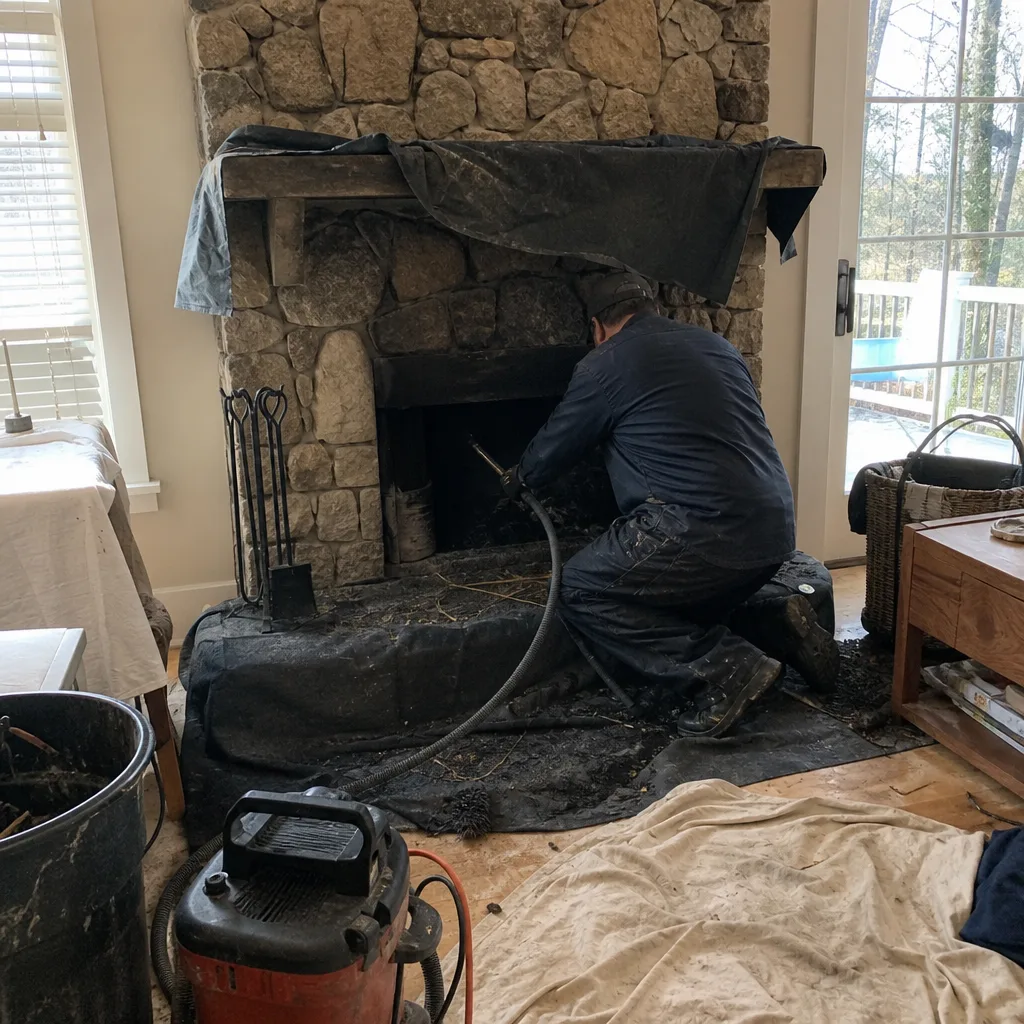 Before
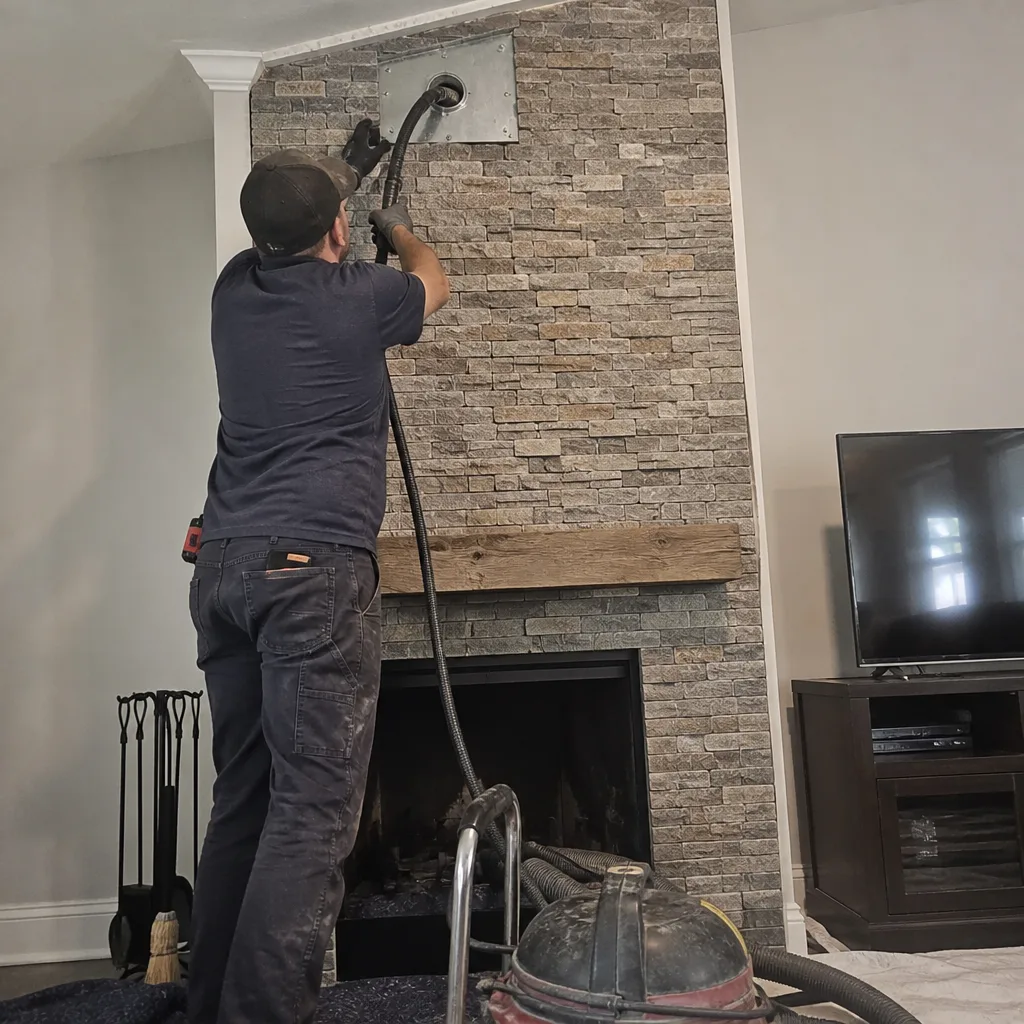 After
After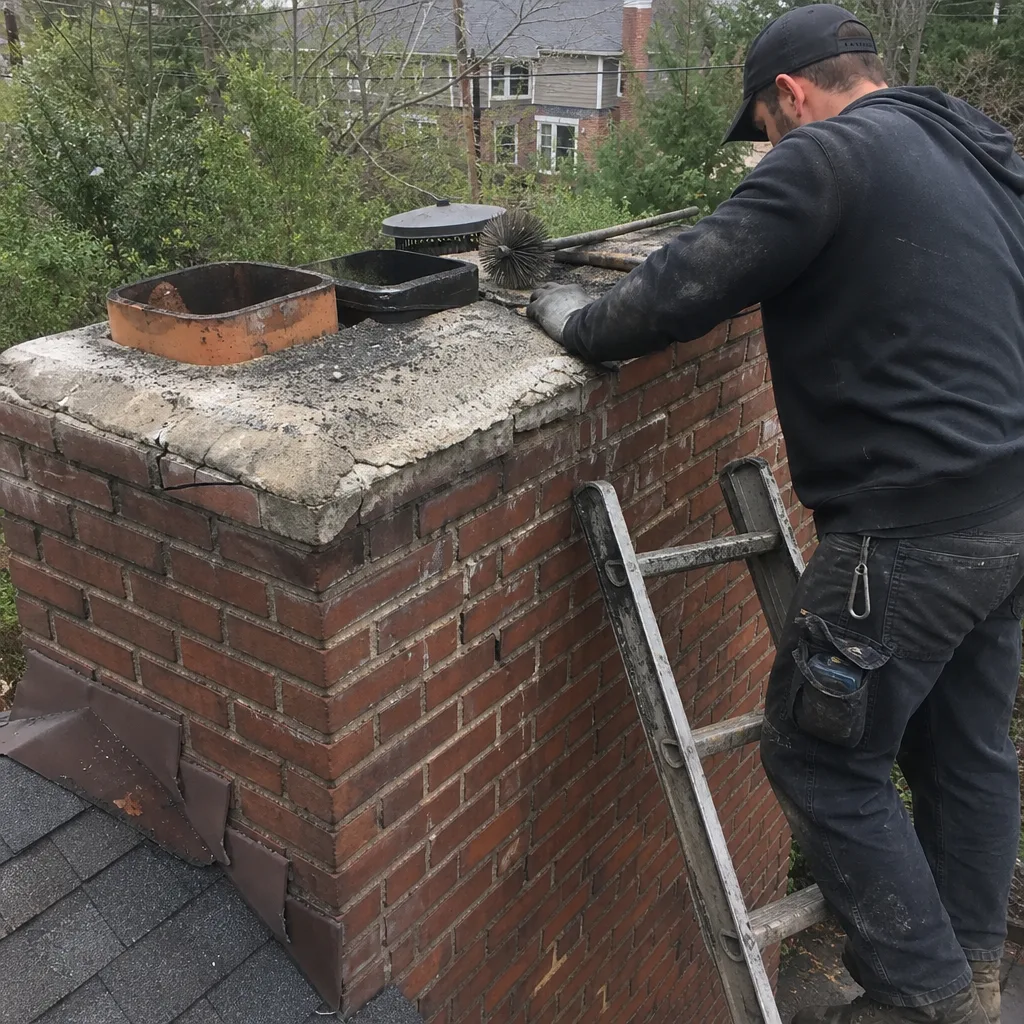 Before
 After
After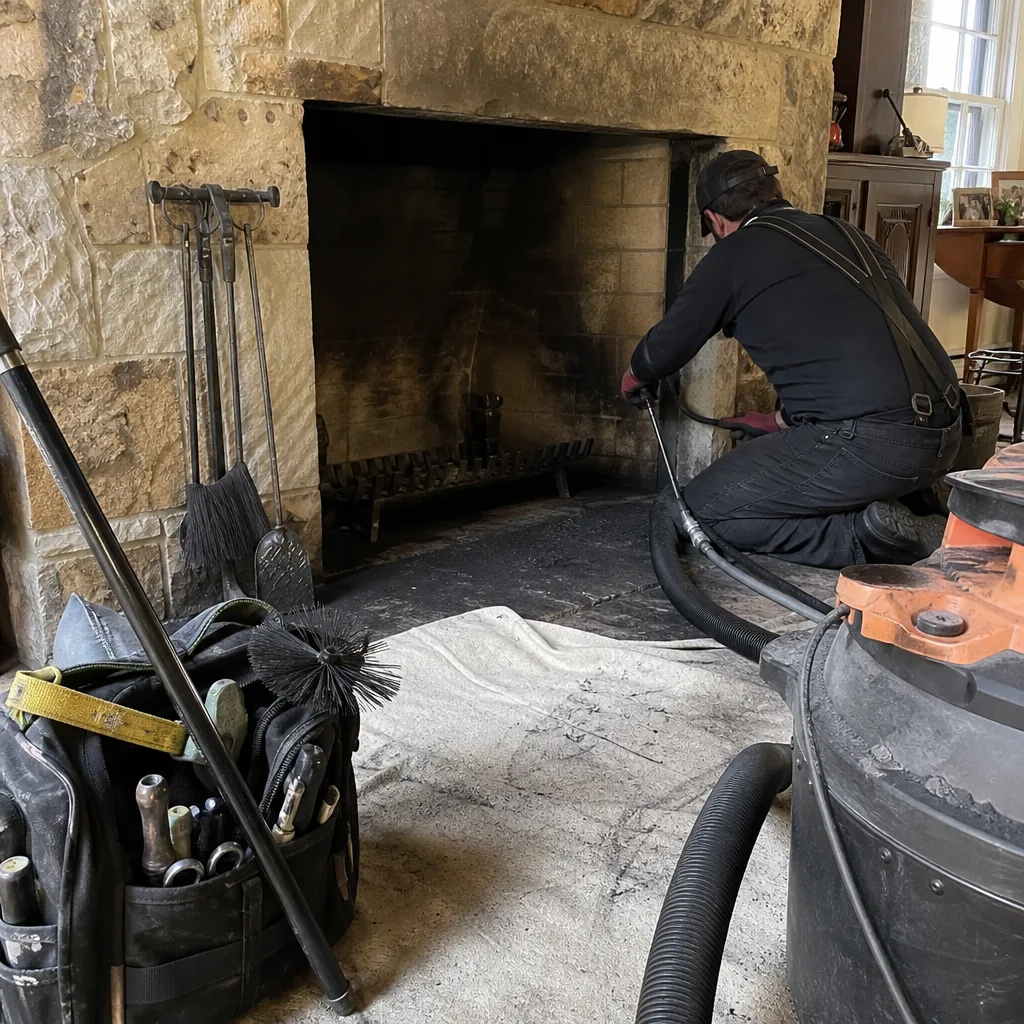 Before
 After
After